Behind the Batch.
A note from Marcello, Harry & George.
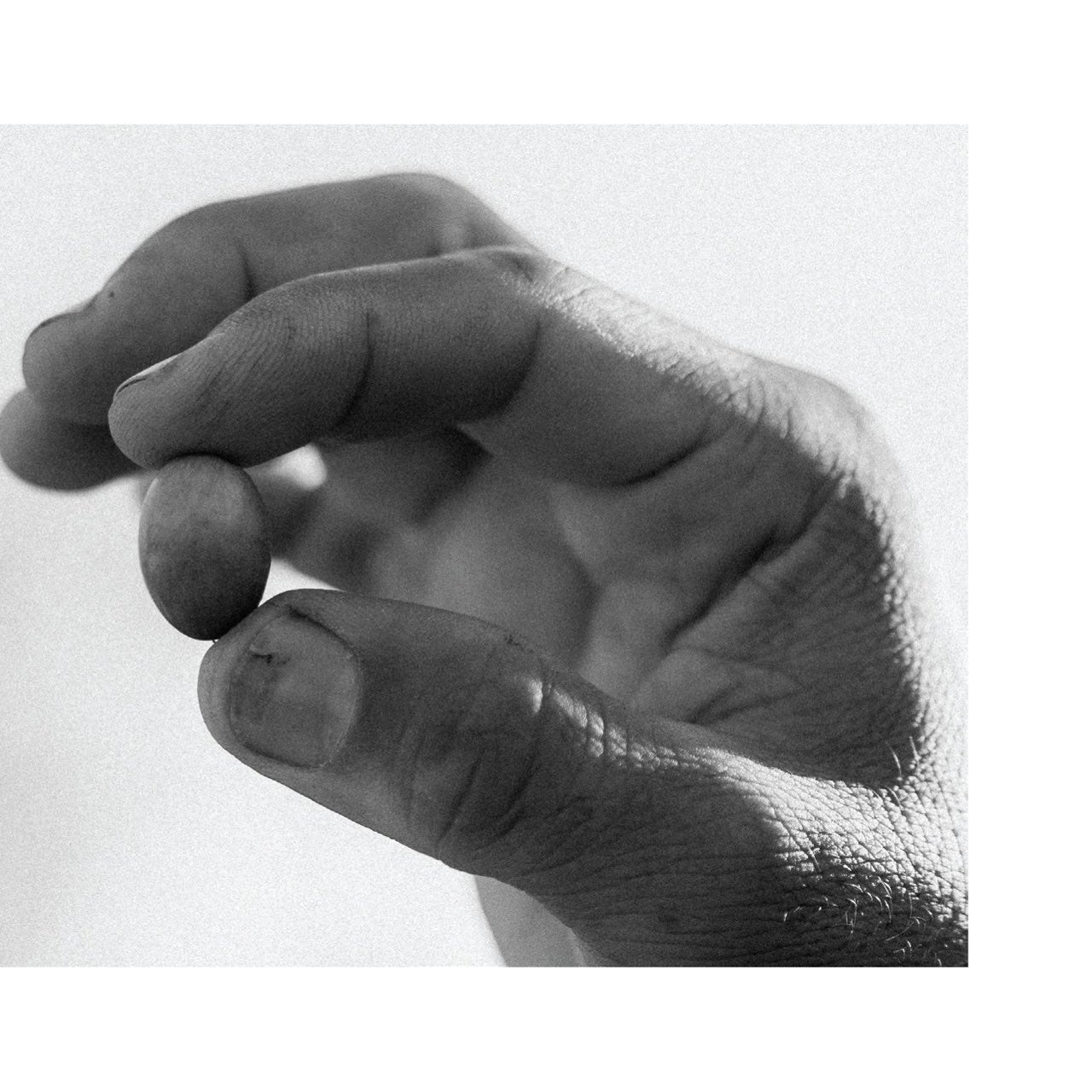
Olive oil is older than every cuisine that uses it. In Italy it is treated the way wine is: it belongs to a place, a year, a family and a single harvest. Almost none of that history makes it to the supermarket shelf, where olive oil becomes a commodity you never really think about. That is starting to change. It happened with coffee, then wine: people learn to read a harvest date, they start asking where a thing comes from and who made it, and they stop accepting the anonymous version. We built ORO to bring the history back. All of it: the place, the year, the family, the harvest.
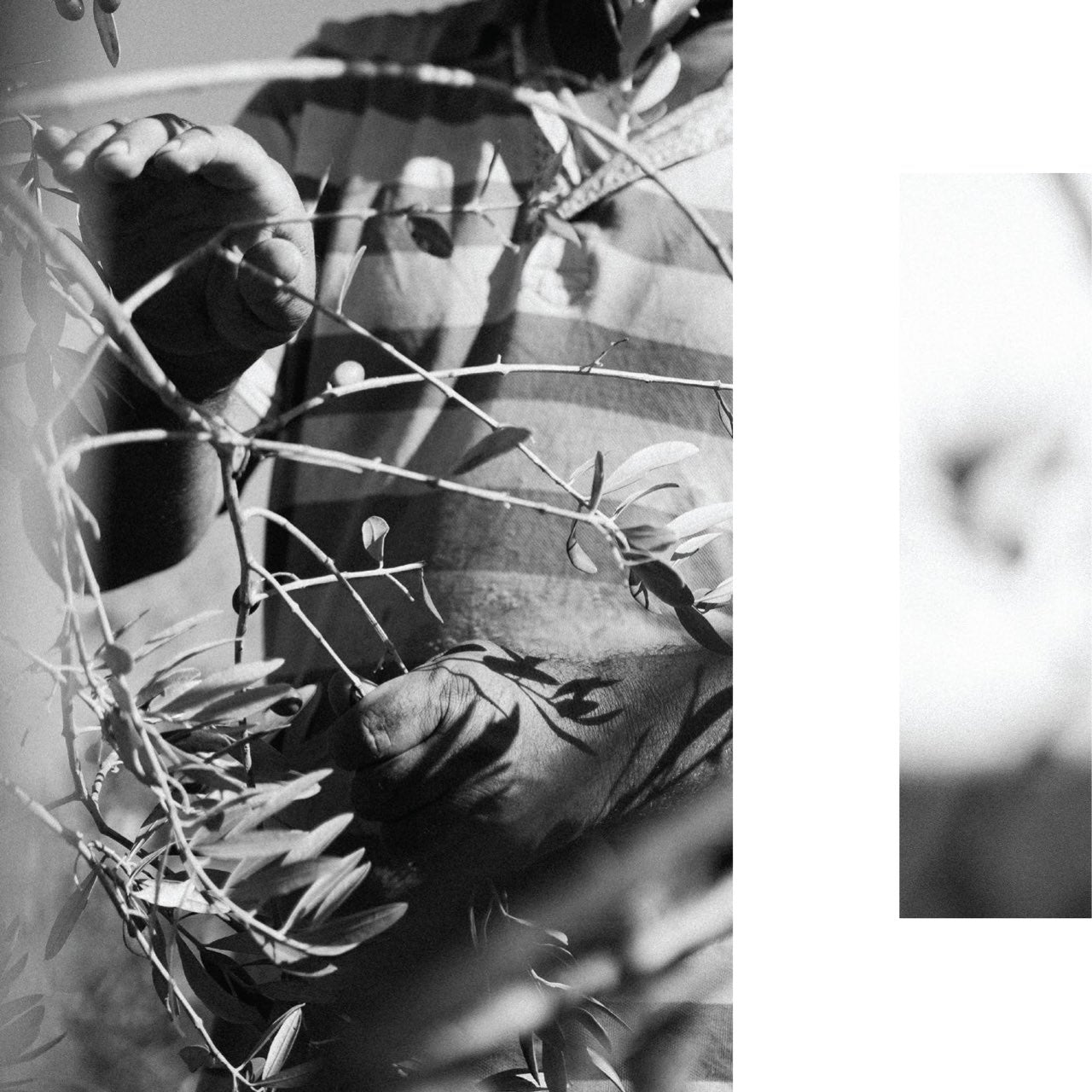
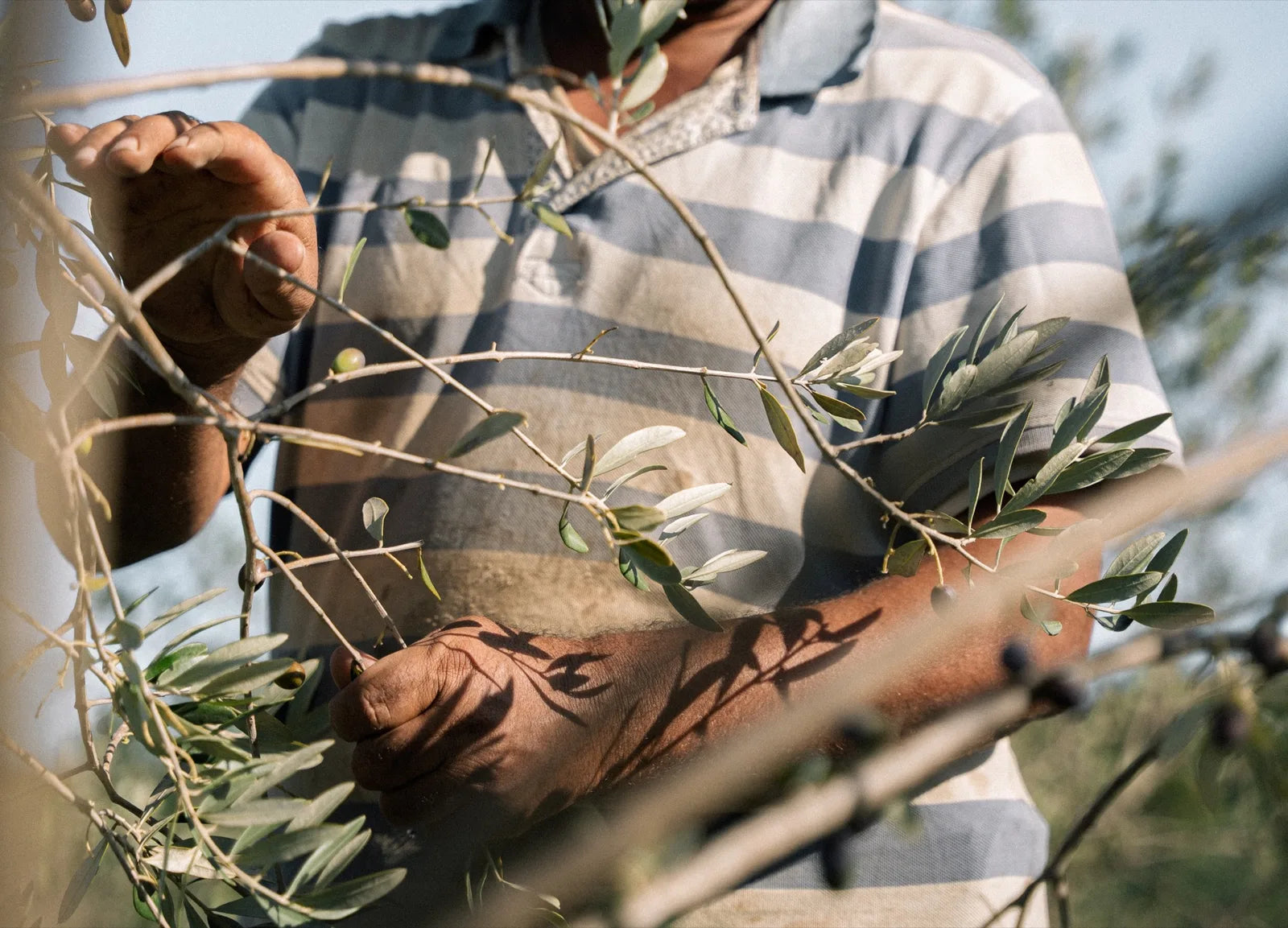
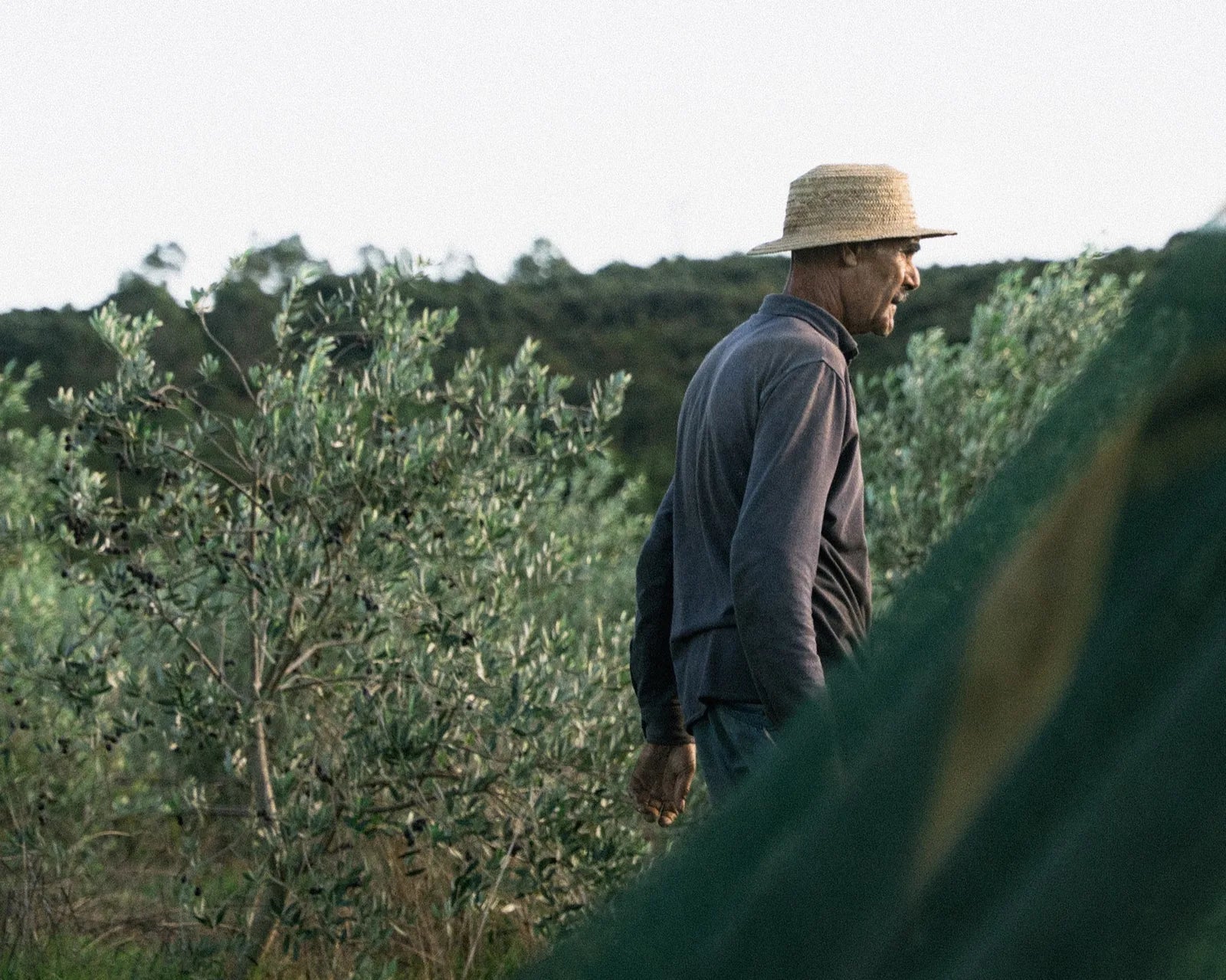
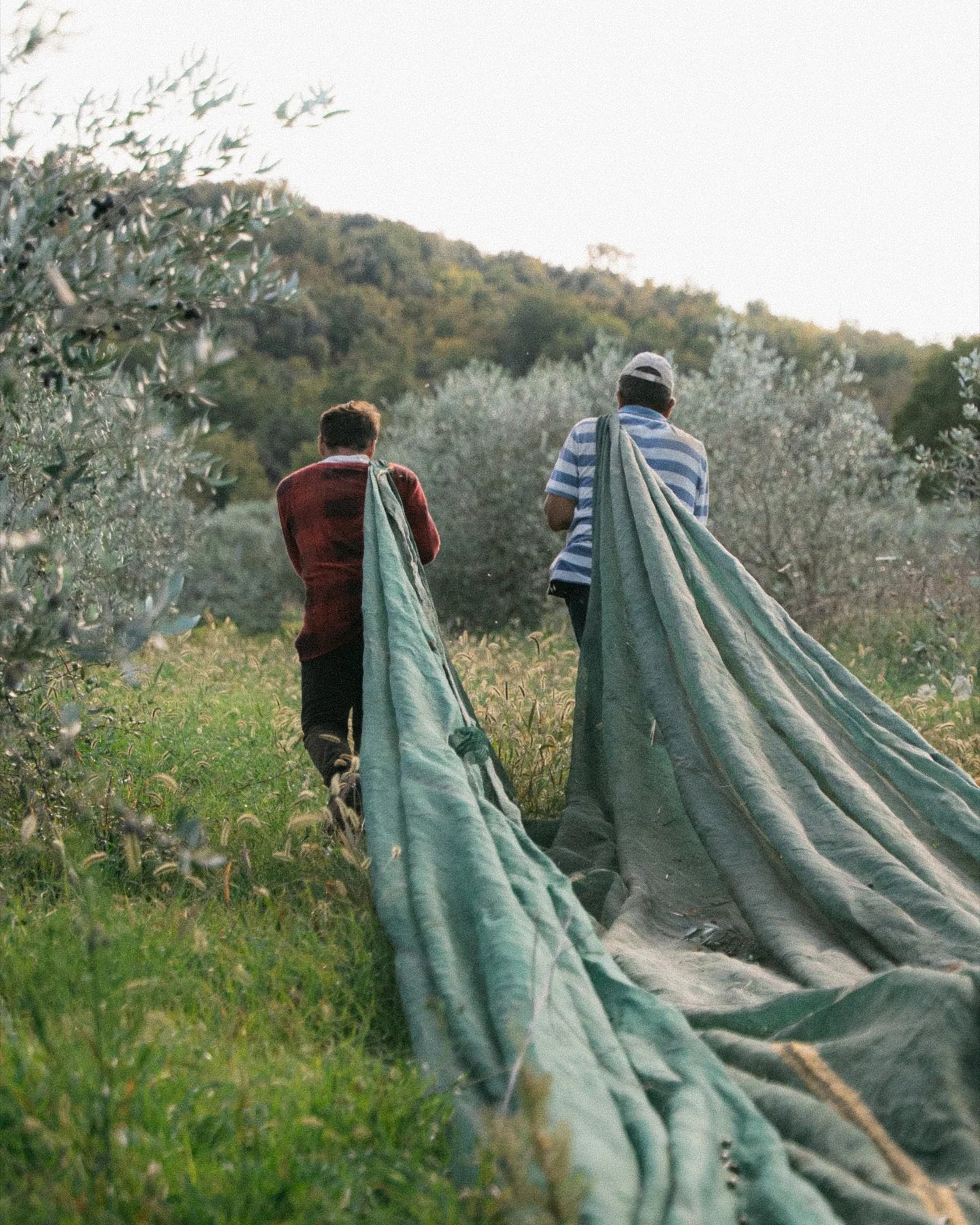
For one of us it starts at home, with an Italian father and the food culture that comes with one. That grew into a shared love of the country between the three of us, and ORO was born on a trip through Tuscany: farm to farm, tasting oils, sharing meals with the producers, watching the craft up close. Slow, manual work, much of it still done by hand and passed down through generations. Between us there are long-standing relationships with these producers, the kind of access outsiders rarely get, and on that trip we kept arriving at the same thought: most of this oil never leaves the area it is pressed in. Almost no one outside the region will ever taste it. ORO is how those families get the credit, and how their work reaches Australia.
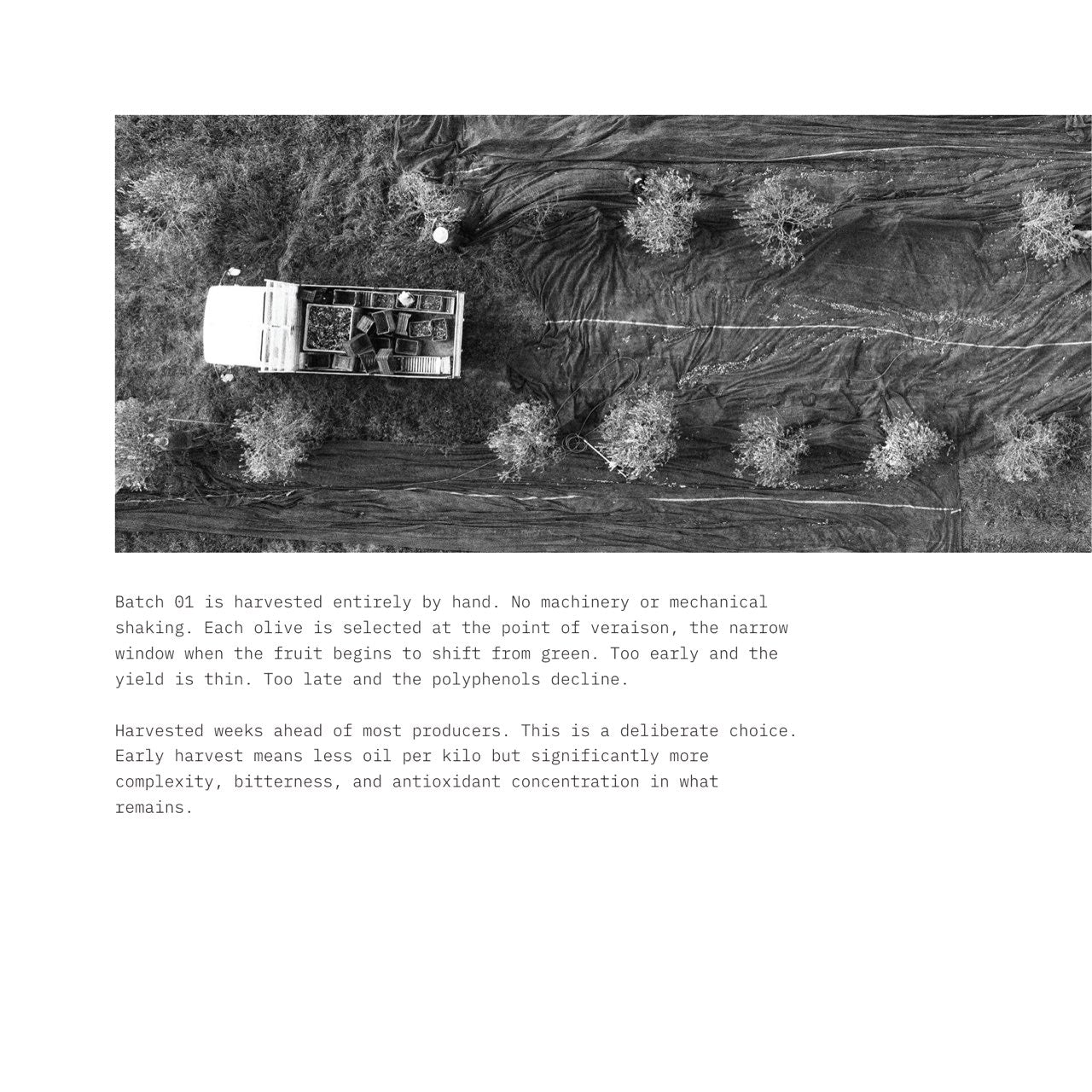
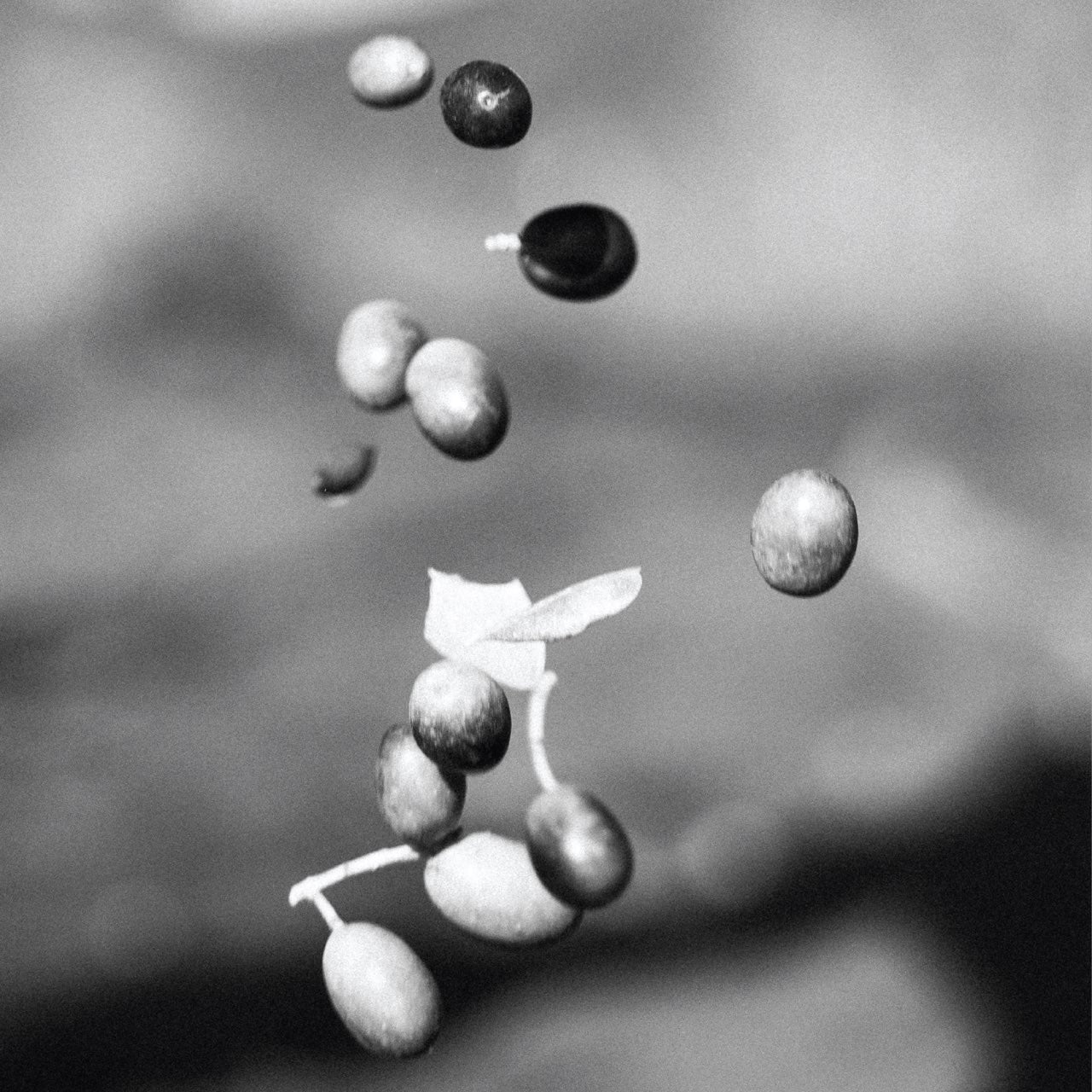
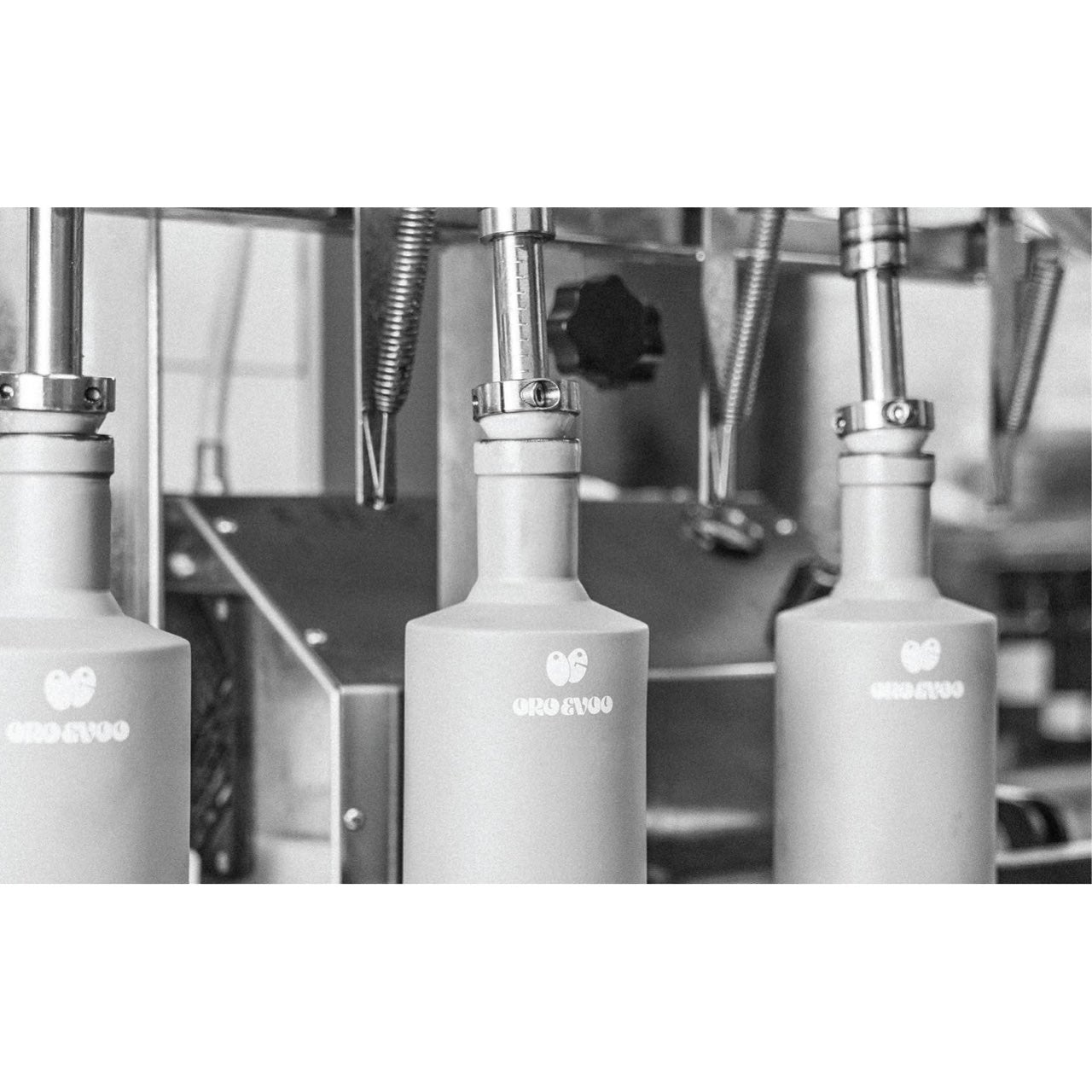
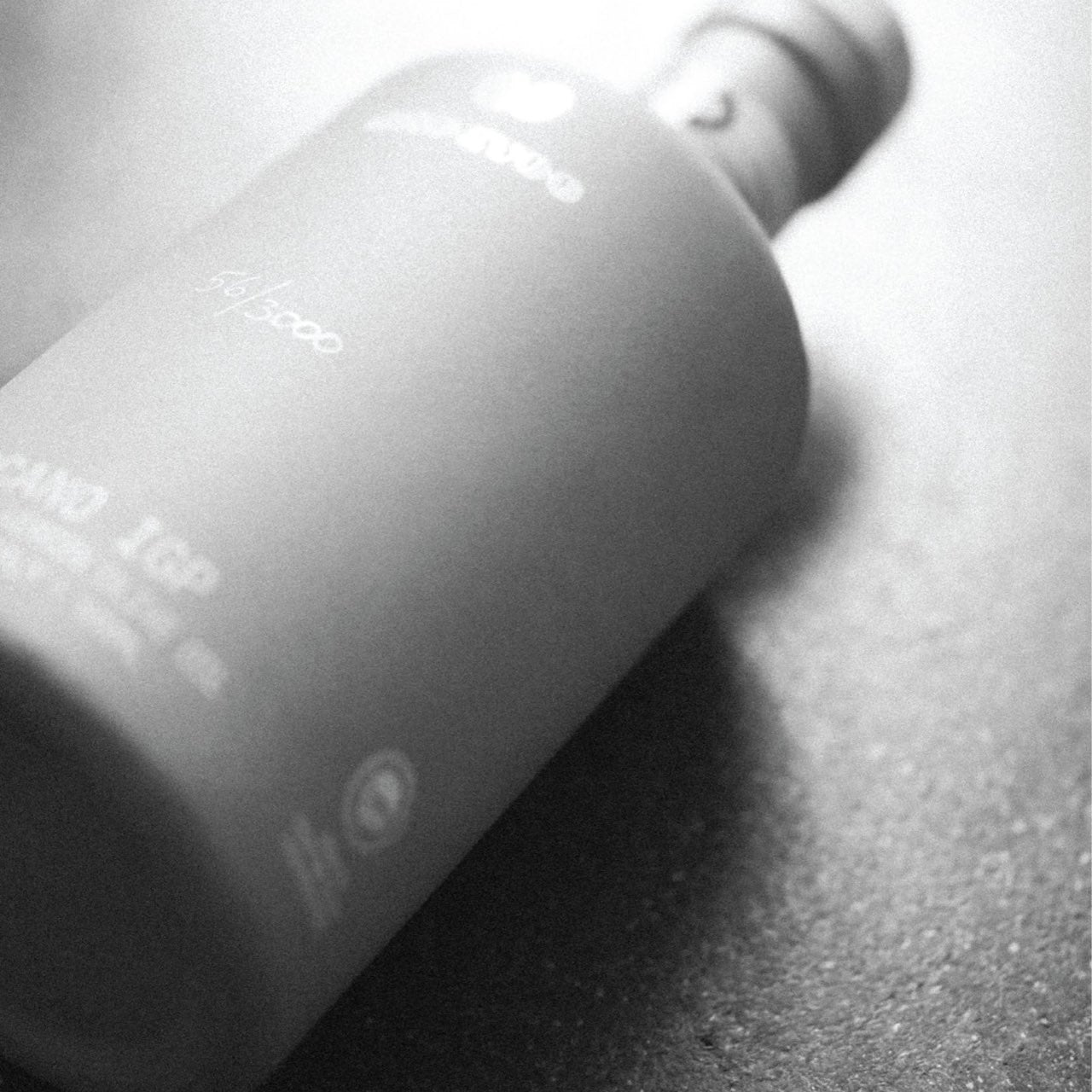
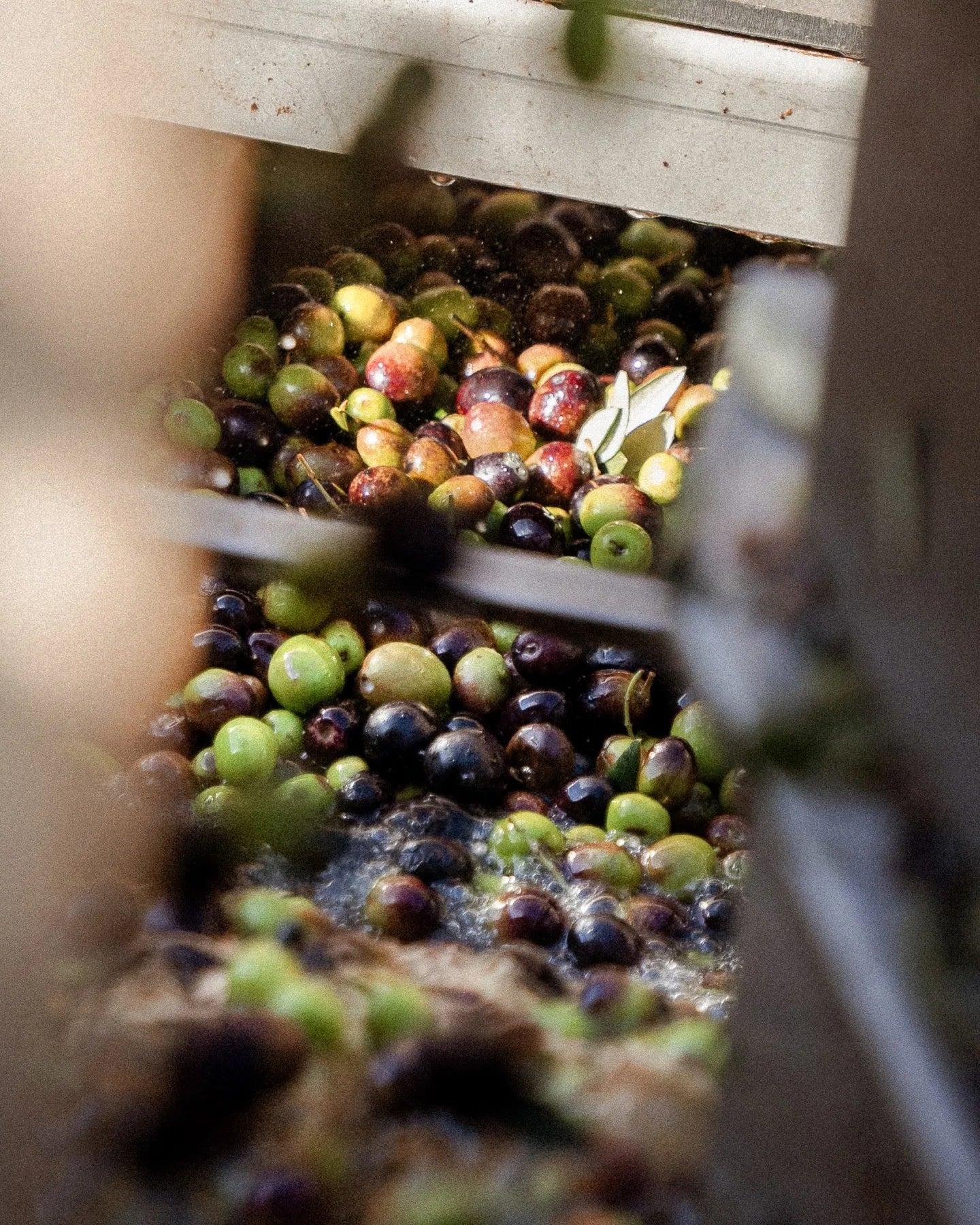
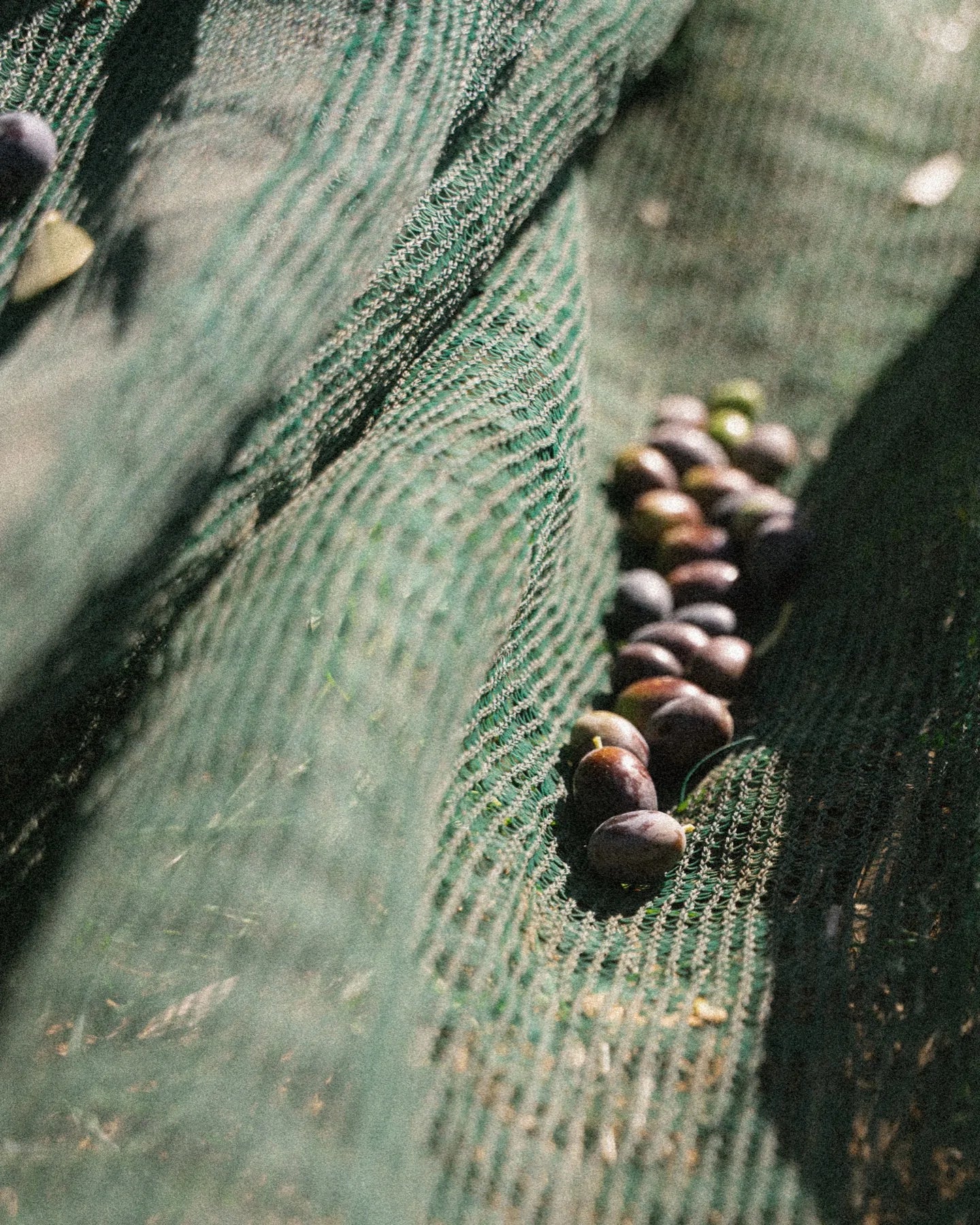
We release ORO batch by batch. Each one is from a single farm, a single harvest, one region of Italy, in limited quantities, hand-numbered and pressed once. When a batch is gone, it does not return. Not a tactic, just the truth of the harvest: one crop a year, one press, only so many bottles. We would rather sell out and wait than blend our way to more. Over time we are building a library of Italian places, one bottle at a time, and with each, the whole story gets told: the land, the trees, the press, and the families who have made it this way for generations. Batch 01 is where the library begins.
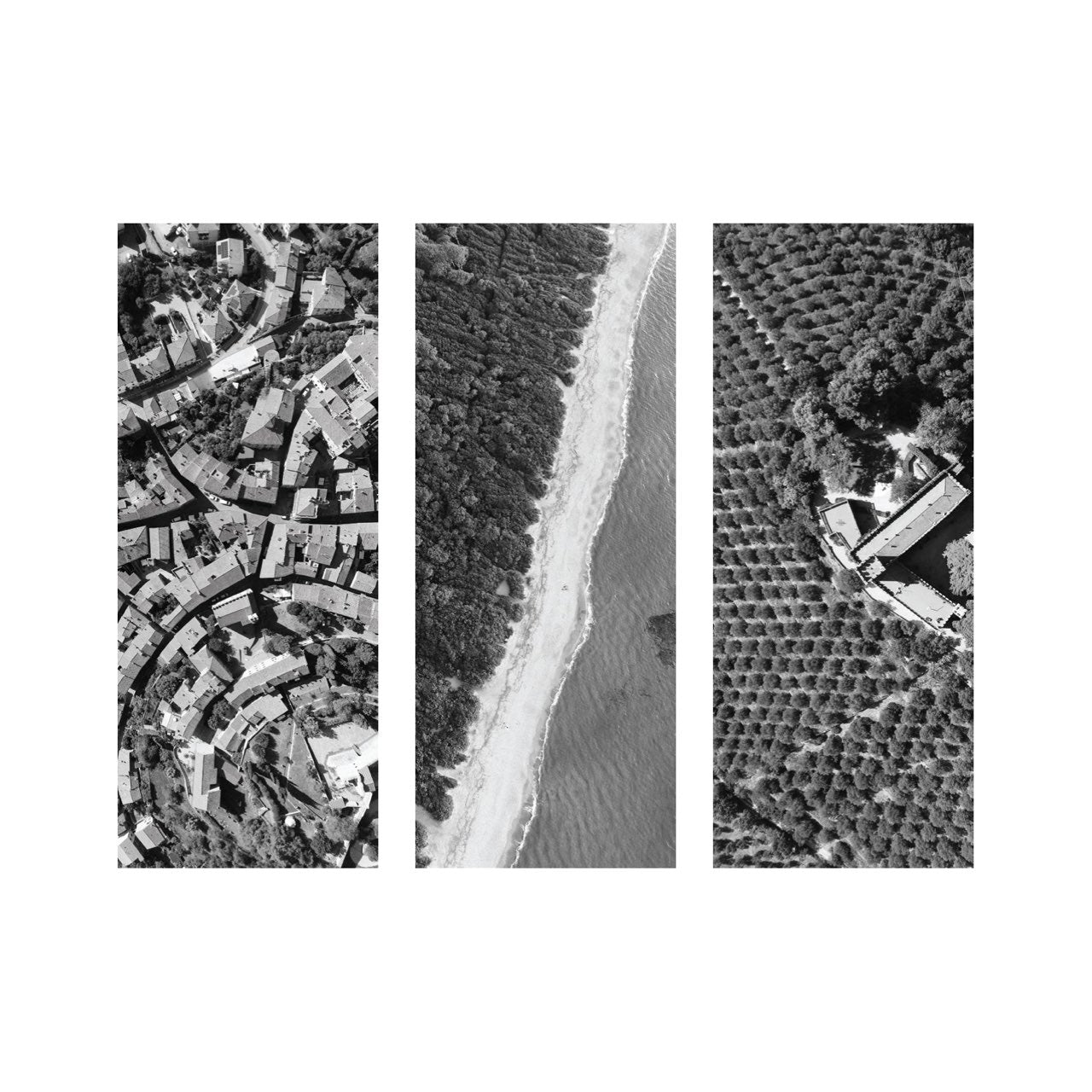
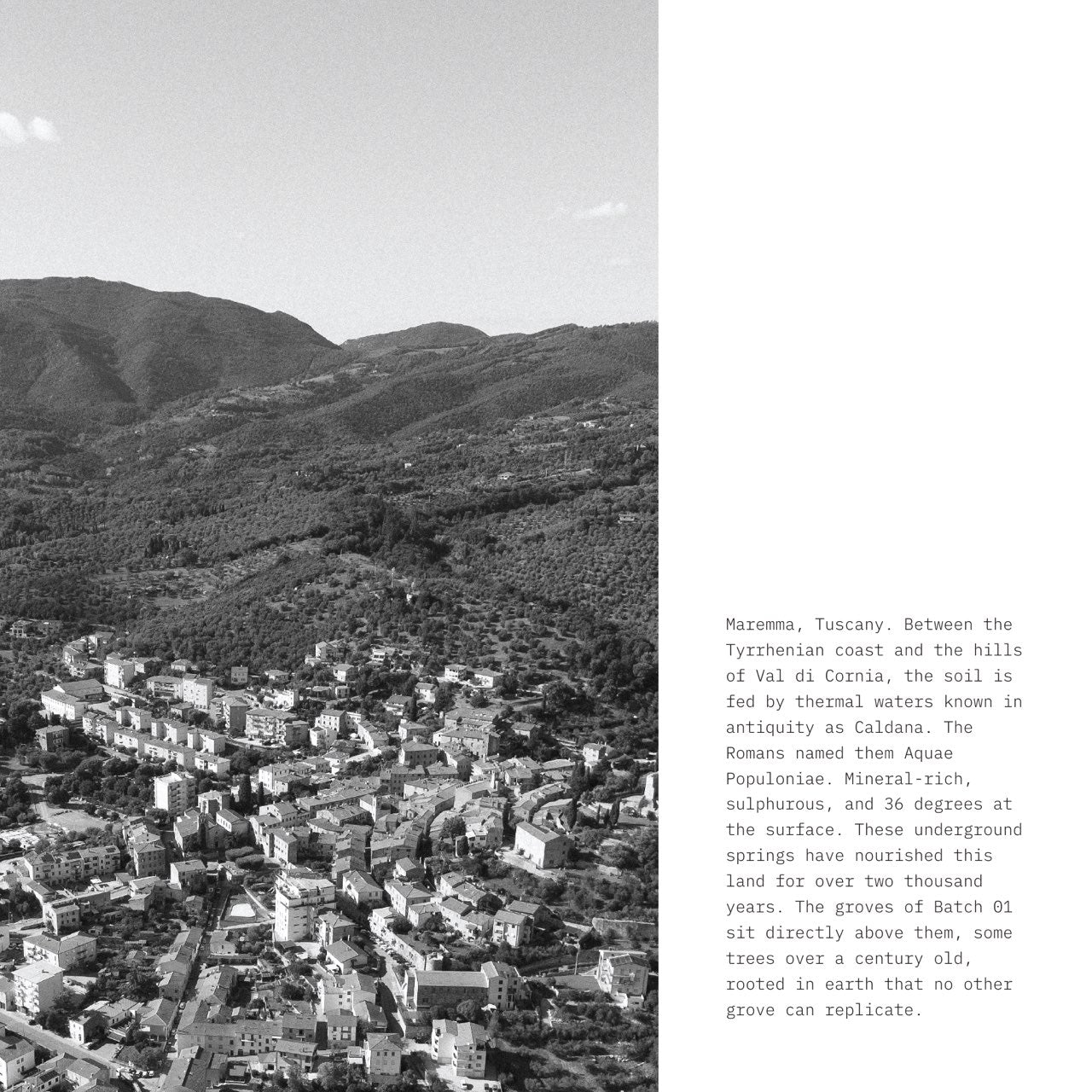
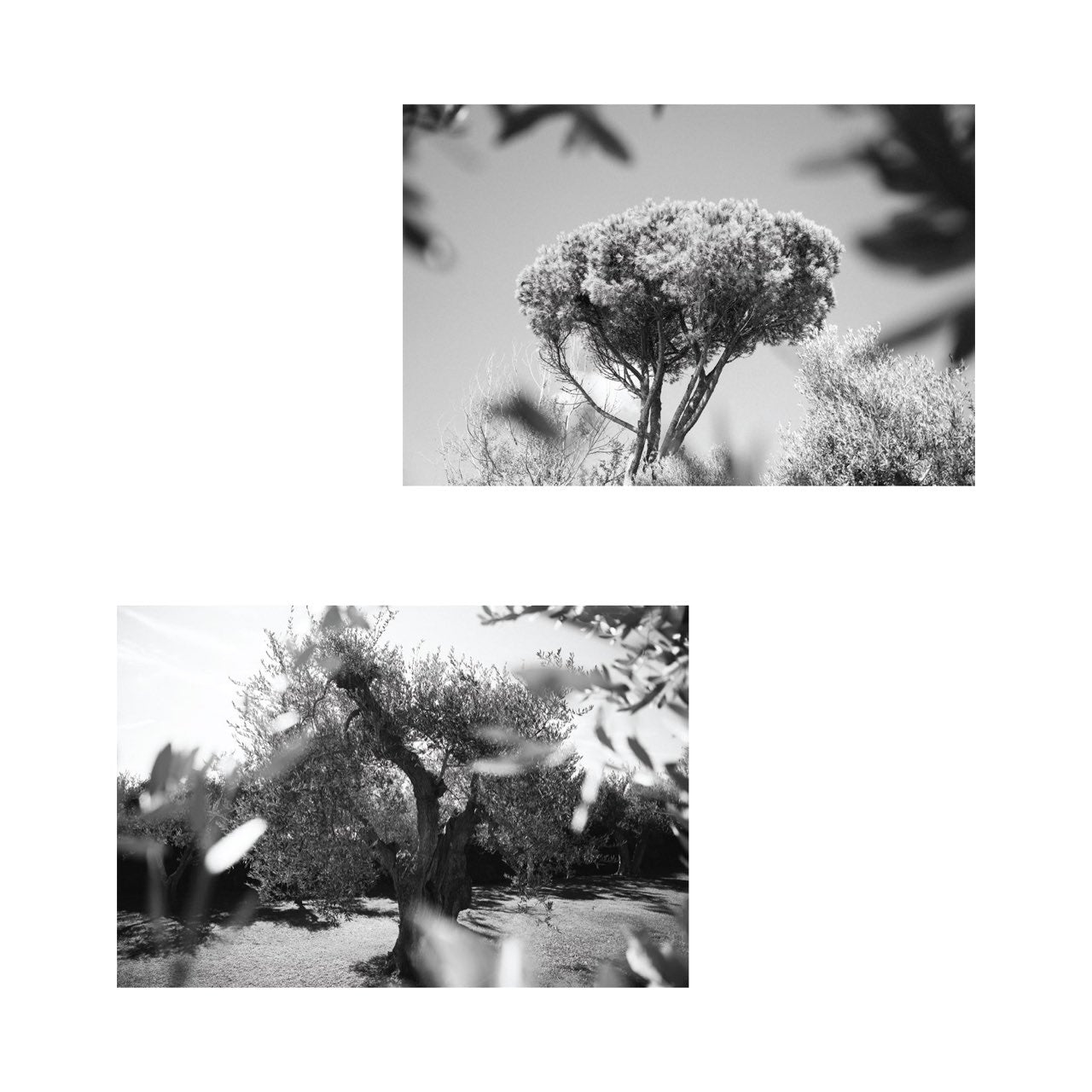
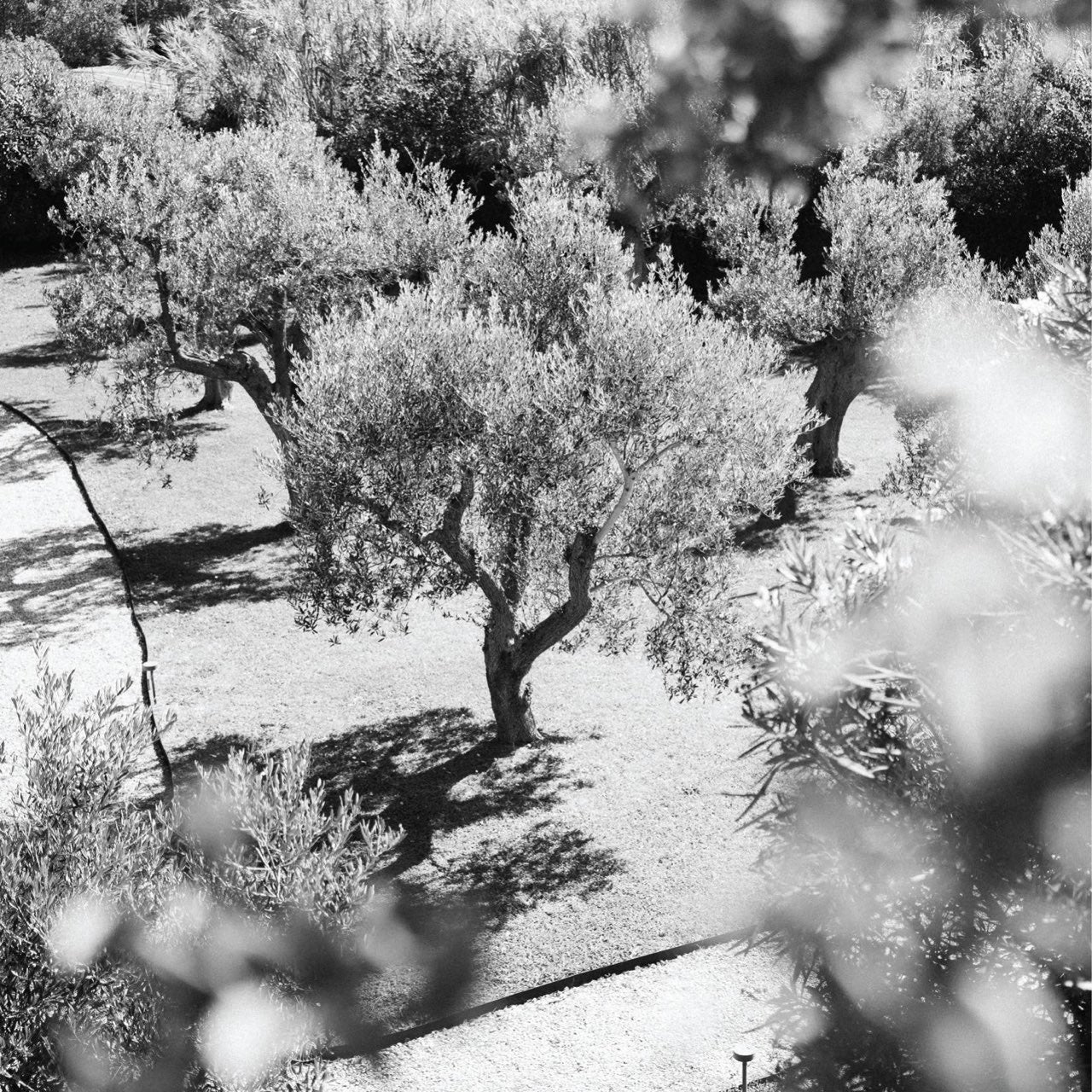
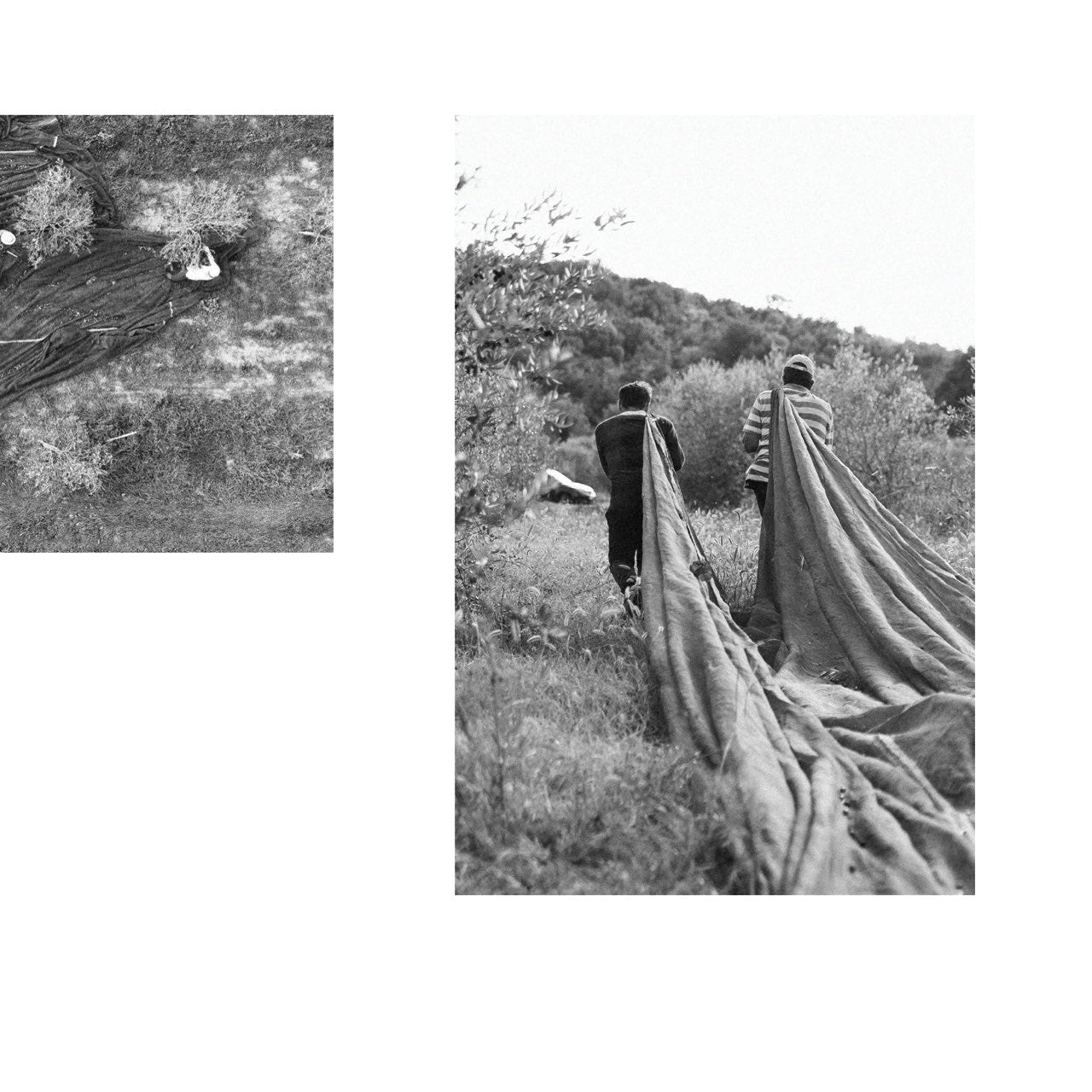
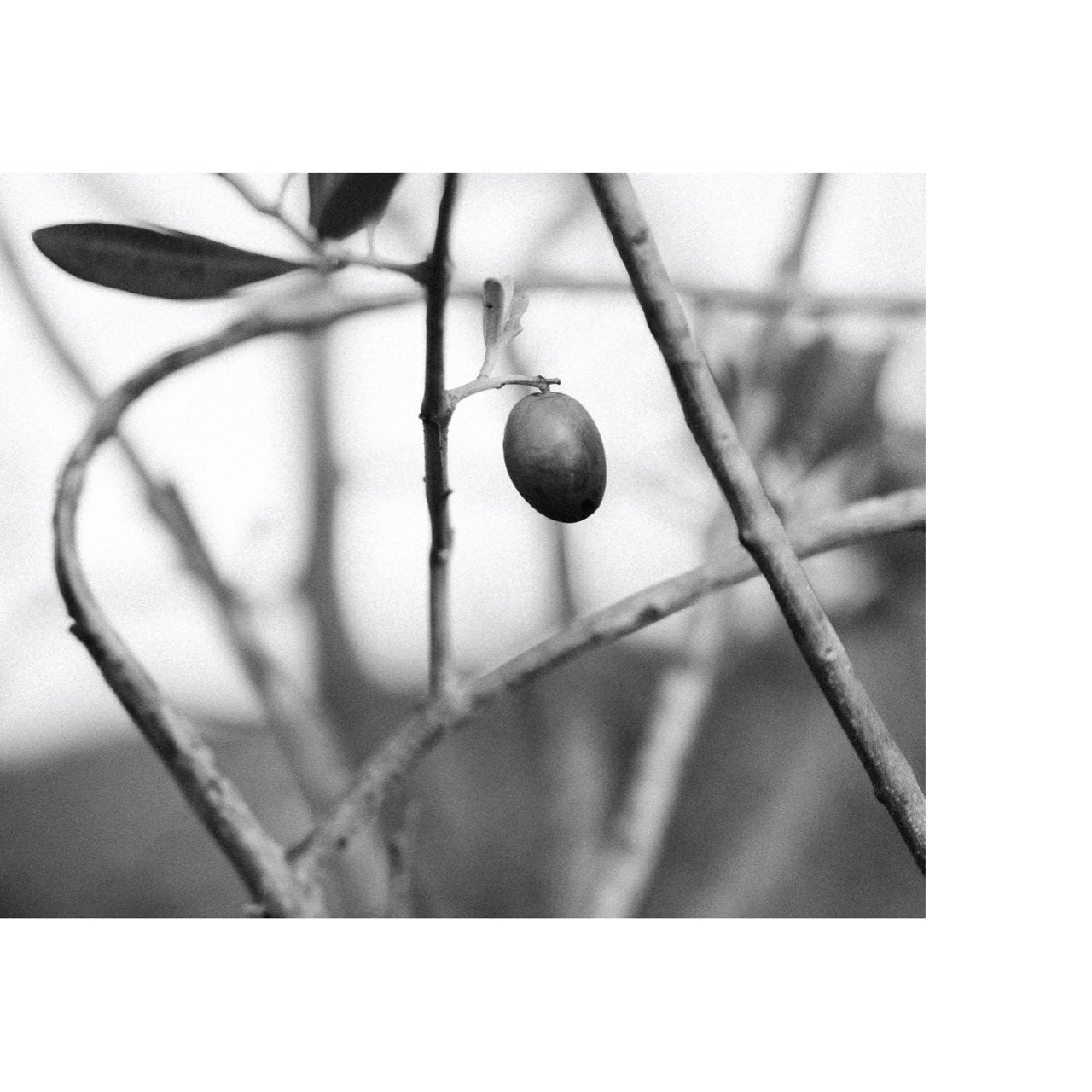
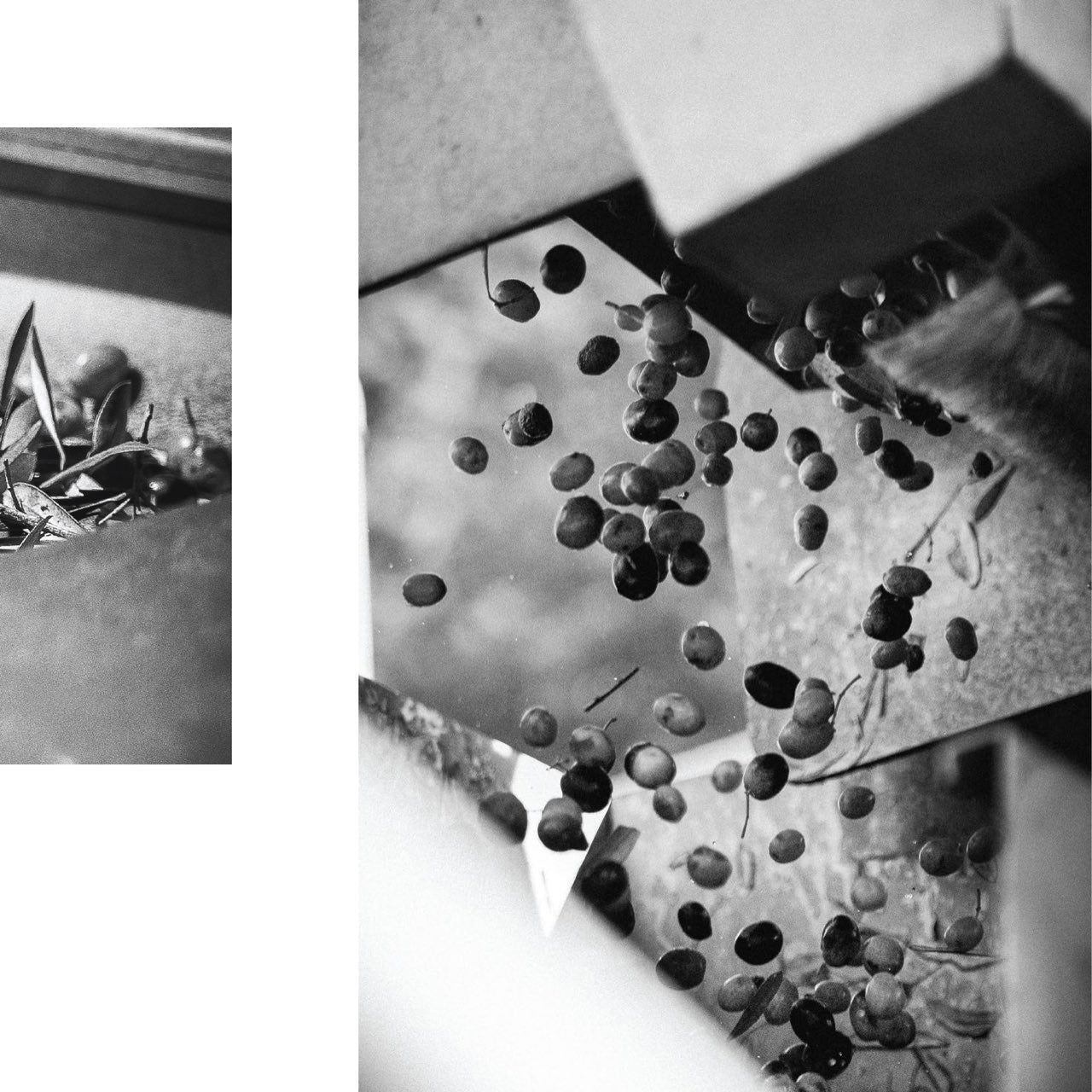
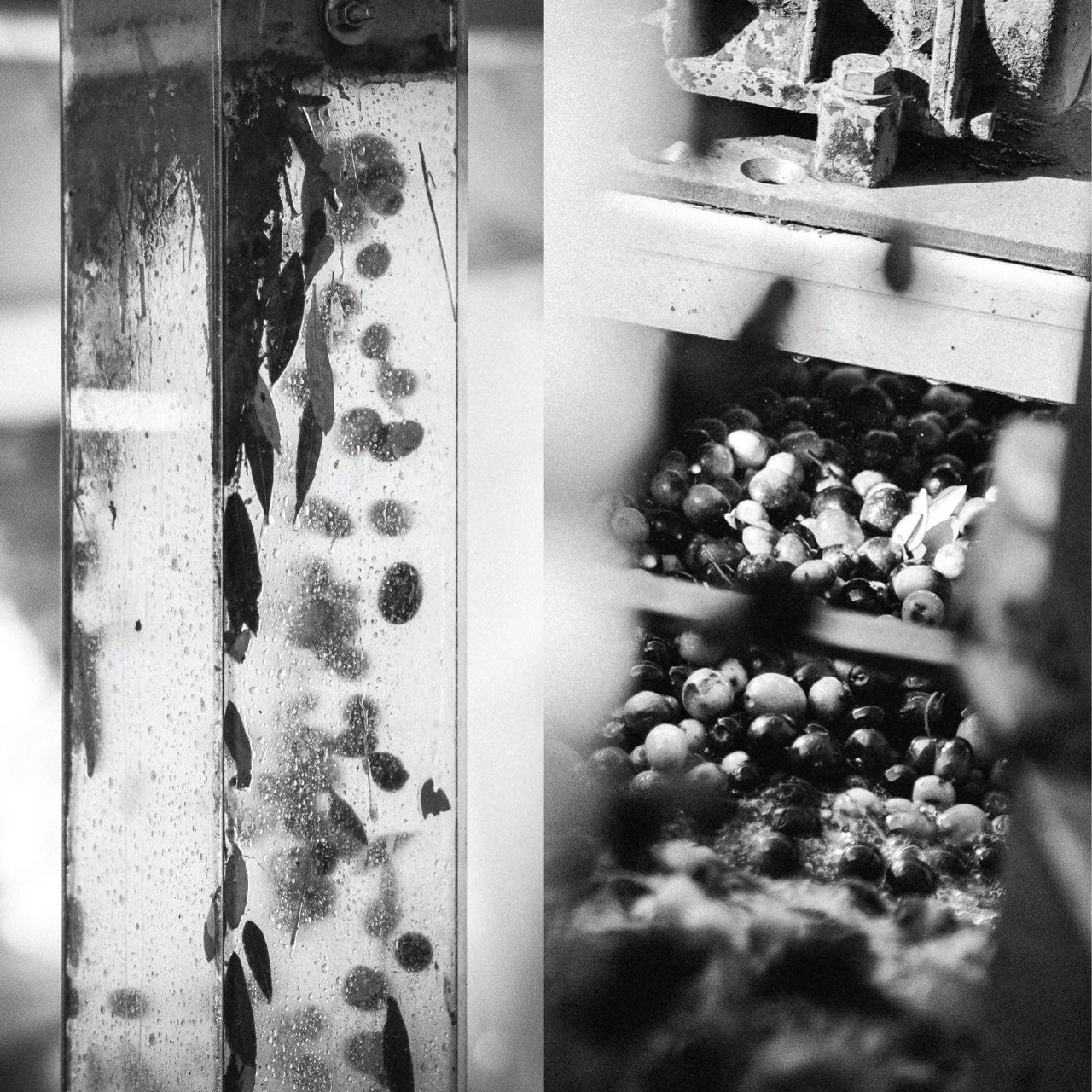
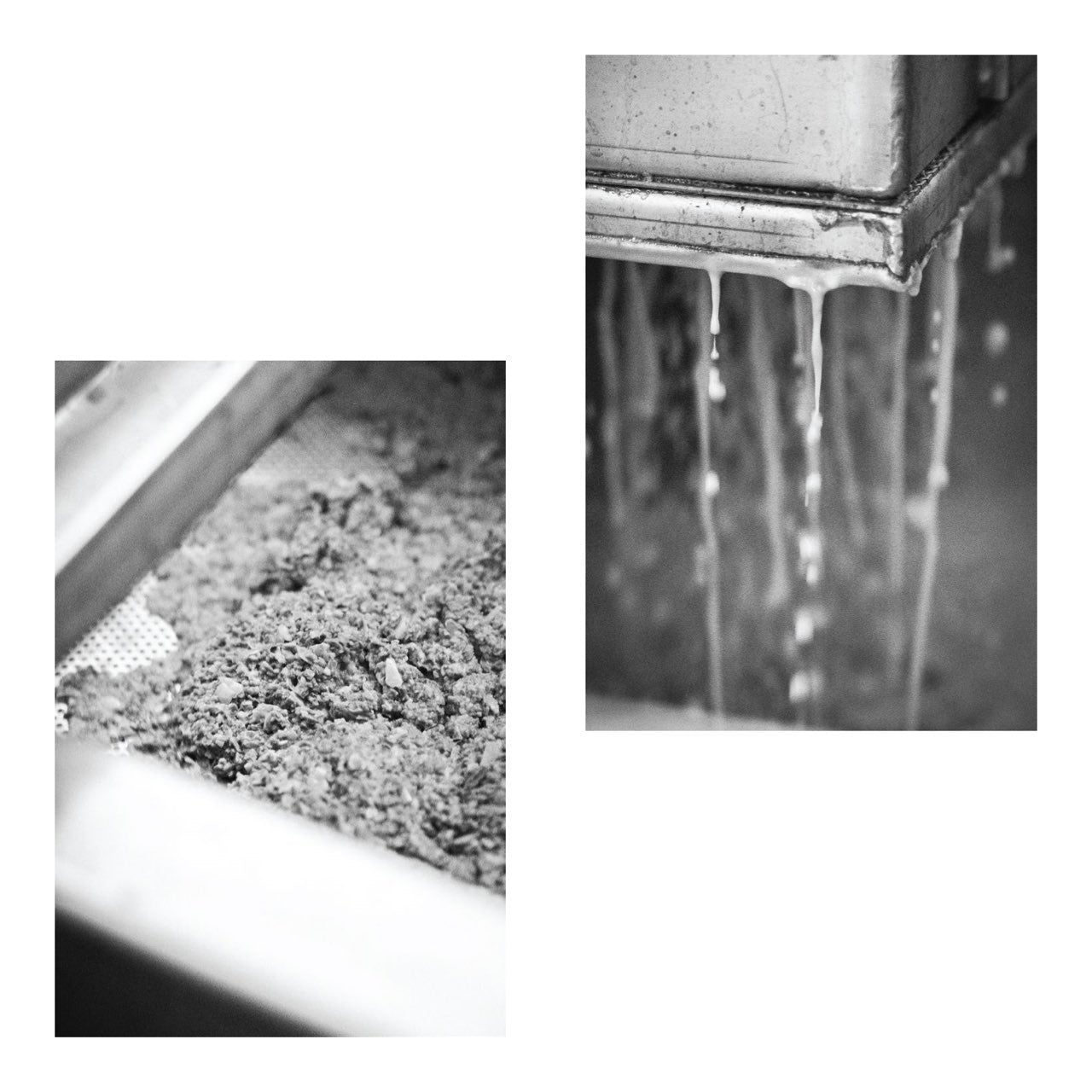
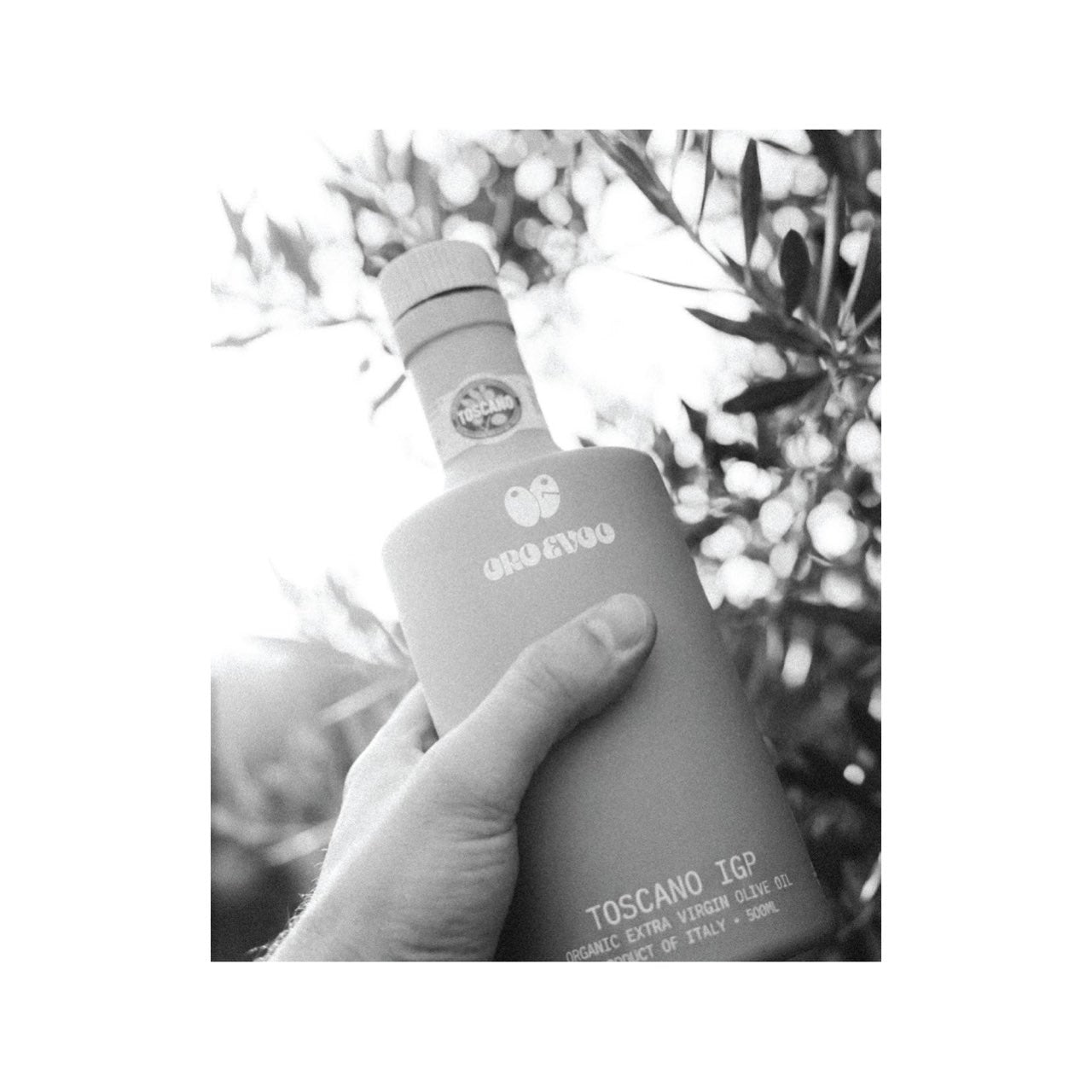
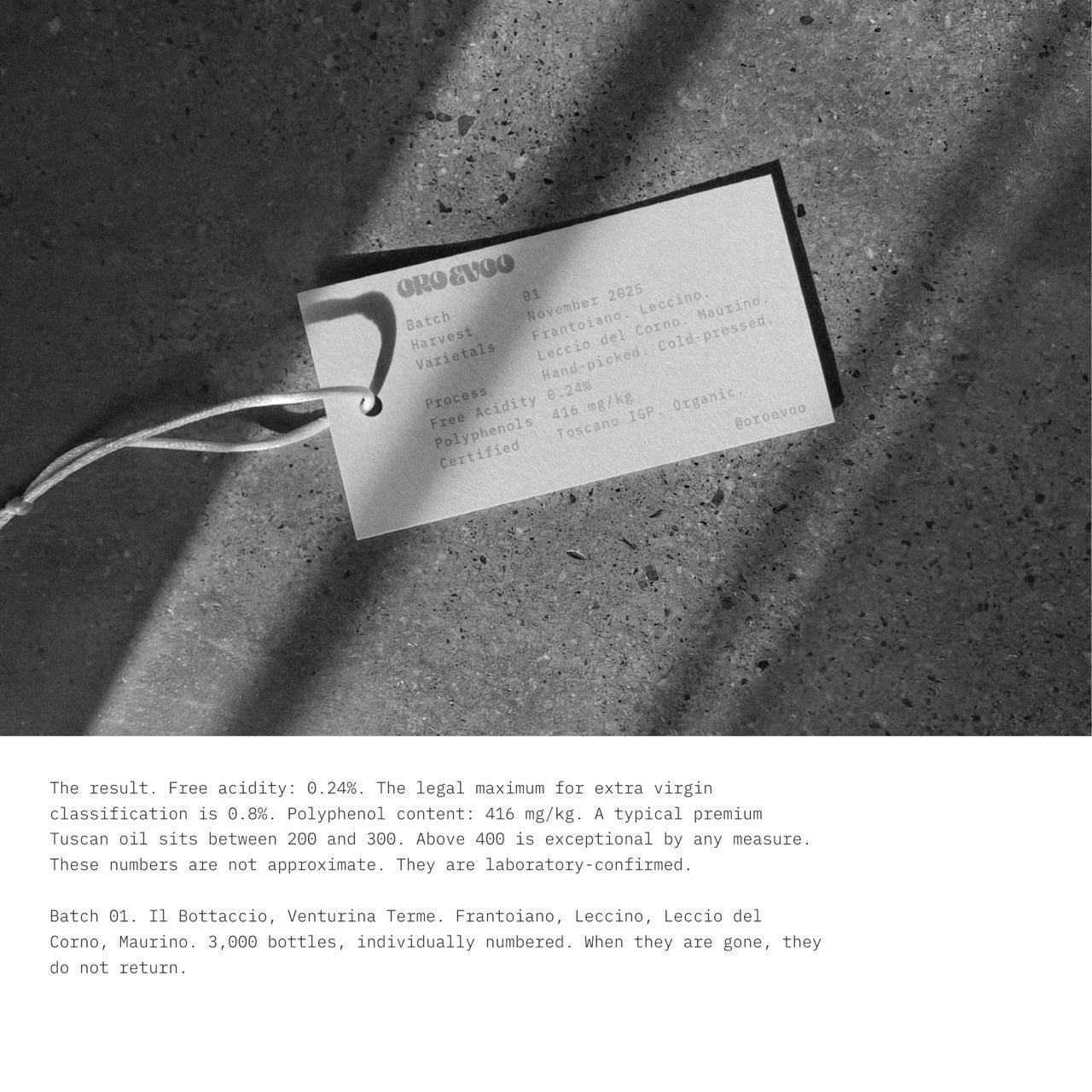
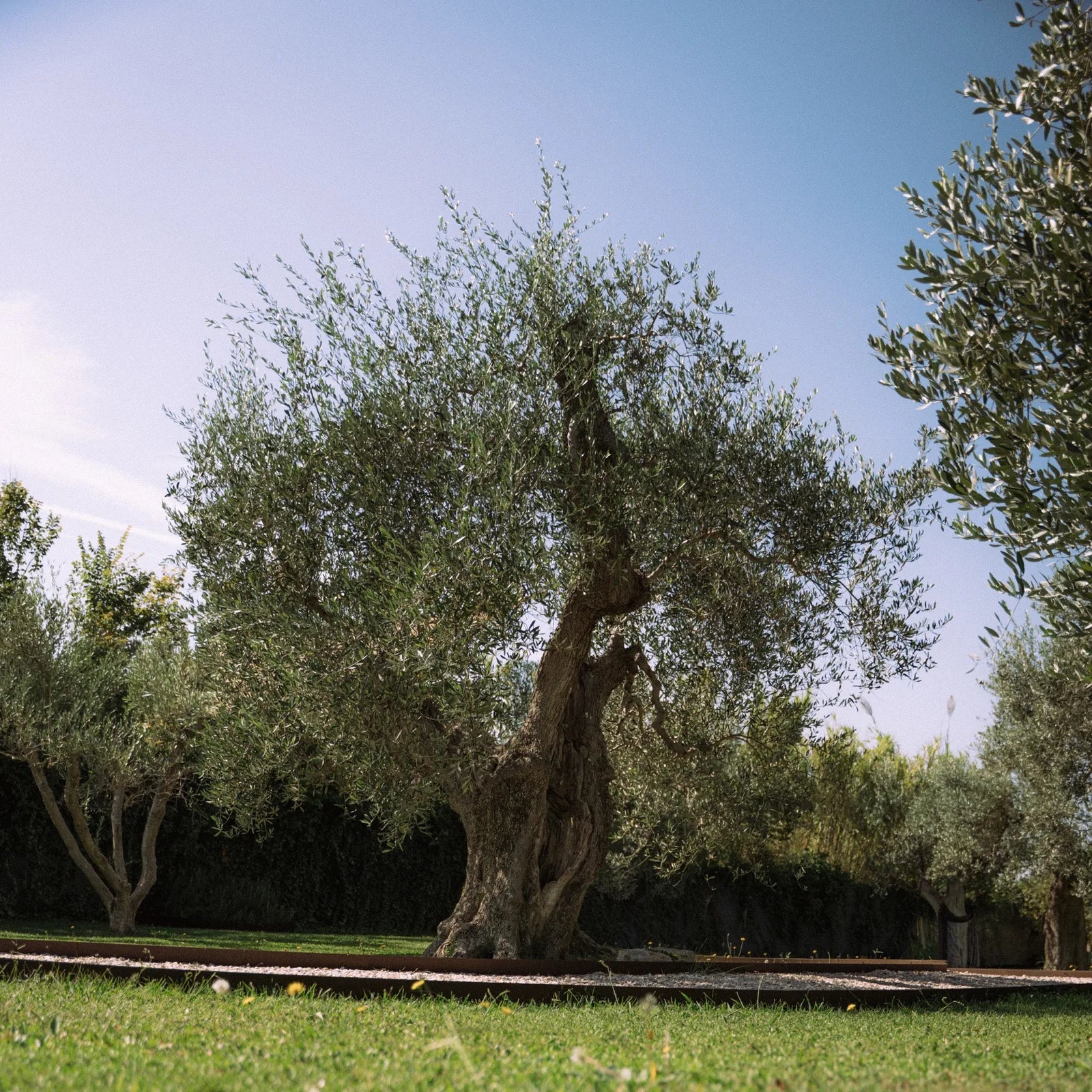
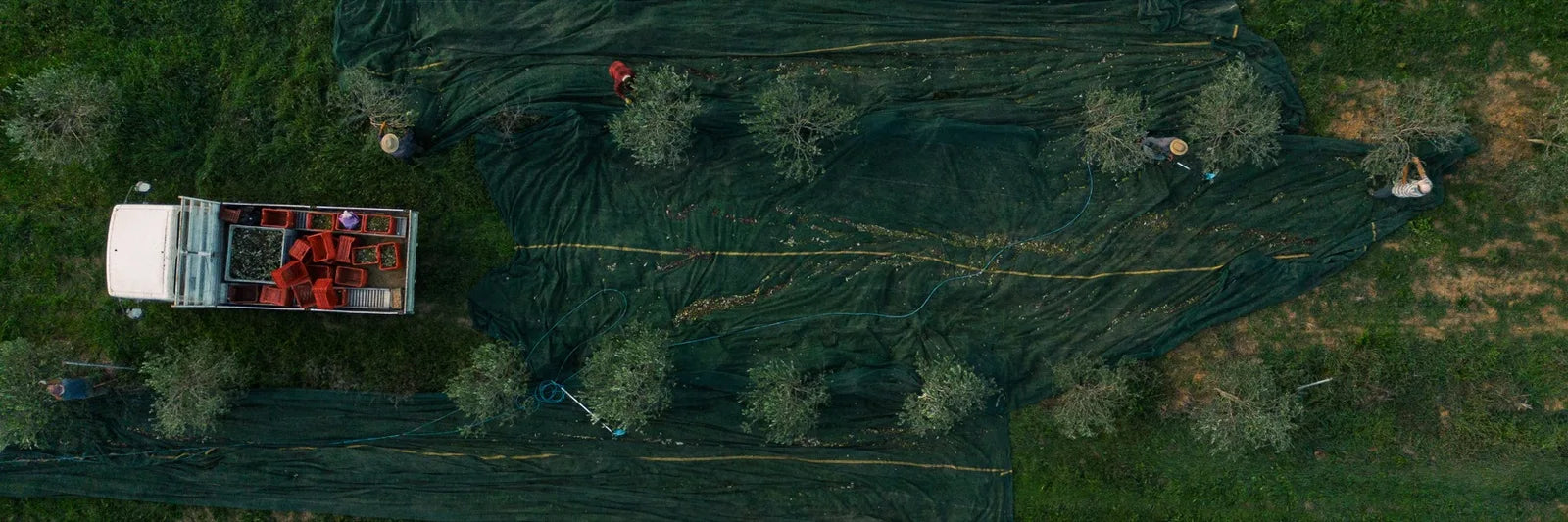
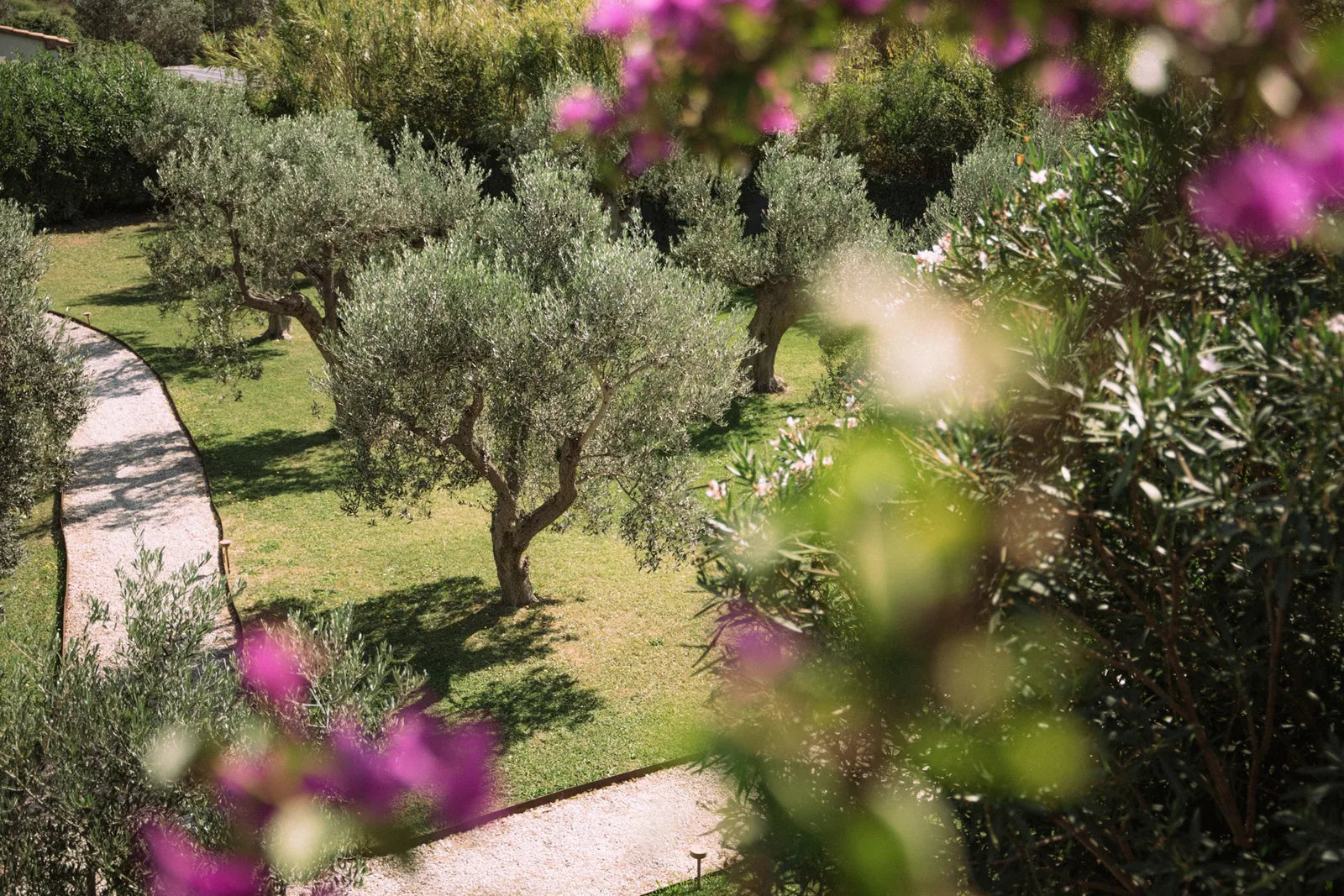
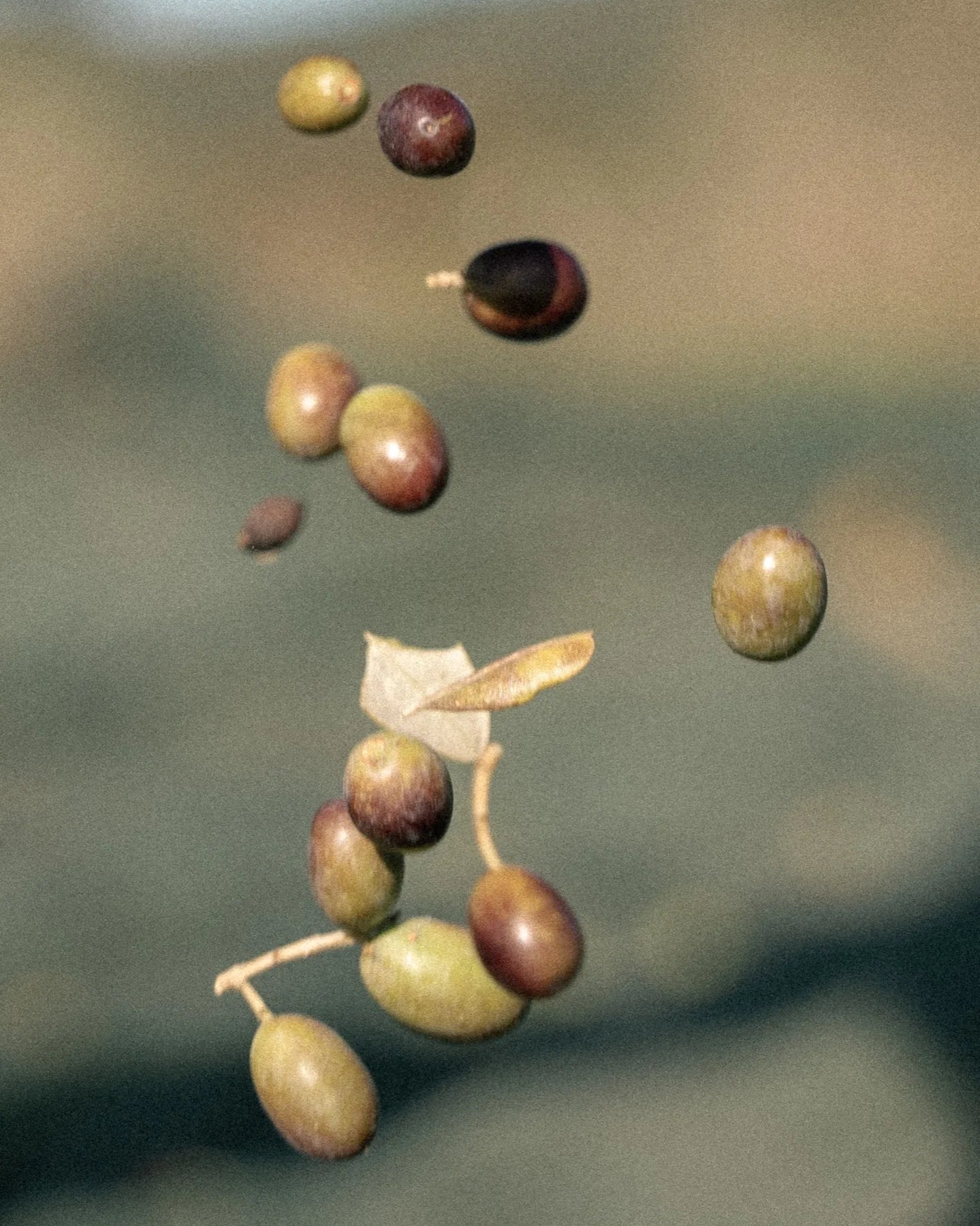
Batch 01 comes from Il Bottaccio, a fourth-generation family estate near Venturina Terme, in Maremma, Tuscany. The farm was founded in 1925 by Ermelindo and Letizia, and is run today by their great-grandson, Luca. This is old olive country. It was Etruscan land: Populonia, one of their twelve great cities and the only one built on the sea, sits a short distance away, and olives have grown here for well over two thousand years. The groves lie on iron-rich soil above an ancient geothermal field, where mineral springs still run warm at 36 degrees, and sea winds come off the Tyrrhenian, under ten kilometres to the west. It is just up the coast from Bolgheri, home of the Super Tuscans. The oil comes from four olive varieties, Frantoiano, Leccino, Leccio del Corno and Maurino, grown together in the same grove and pressed together. In the glass: almond, artichoke, and a peppery catch at the back of the throat. That catch is the polyphenols, the mark of a fresh oil. We tasted a lot of oils to get here. This is the one we could not stop thinking about.
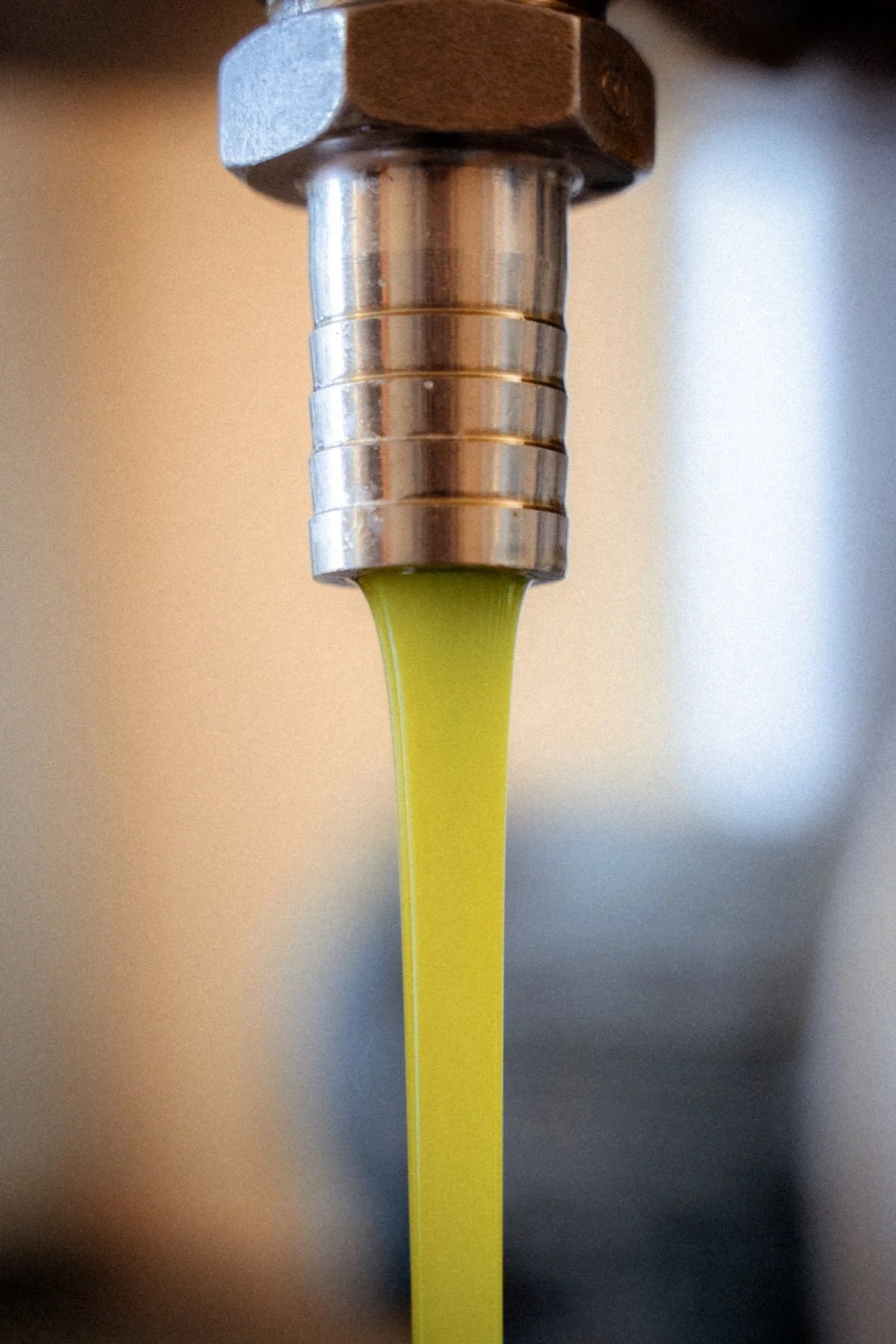
The bottle carries the same conviction. Product, packaging and story are one piece: restrained, almost archival, every bottle numbered by hand, each release drawing its colour from the landscape it comes from. Batch 01 is a muted sea-foam, a pale green-grey pulled from the Maremma coast. It pours through a stainless steel pourer, and it is made to be shown: left out, brought to dinner, poured in front of people. On the table, not in a cupboard.