How to taste the place
Ciao,
Most people have never tasted olive oil. They have eaten it, which is a different thing: on bread, through pasta, under something salted, where it does its work quietly and disappears. Nothing wrong with that. It is most of what the oil is for. But it does mean a bottle someone thought hard about and a bottle grabbed off a shelf can both pass through a kitchen without ever declaring which was which.
Tasting one on its own takes about ninety seconds, and you only have to learn it once.
Start with a glass, not with bread
Professional panels taste from a small tumbler of dark blue glass, coloured so the taster cannot see the oil and be swayed by it. Colour tells you almost nothing. A deep green oil and a pale gold one can be the same grove, the same week, the same quality; the colour comes from how ripe the fruit was and how much leaf went into the mill with it.
At home a small glass or an espresso cup is enough. Pour in a tablespoon. Cover the top with one palm, cup the base in the other, and hold it there for a minute. You are warming the oil to about the temperature of your hand, which is when its volatile compounds lift and become smellable. It is the step everybody skips and it does most of the work.
Smell it before you taste it
Take your hand off the top and go straight in. Green is the word, and it is more literal than it sounds: cut grass, tomato leaf, artichoke, sometimes green almond or unripe banana. Fresh oil smells like a plant. Old oil smells like a nut, then like a crayon, then like nothing at all.
If it smells of damp cardboard, or of a cellar, or faintly of something fermented, set it aside. Those are the commonest faults in ordinary supermarket oil, and none of them is subtle once you have smelled it on purpose.
Take a small sip and let it sit
Not a mouthful. Enough to coat. Hold it a few seconds so it warms again, then draw a short sharp breath in across it through slightly parted teeth. It sounds ridiculous and it looks worse. It also aerates the oil and pushes the aroma up behind the nose, which is where most of what you call flavour is actually read.
The middle is where a Tuscan oil shows itself: almond and artichoke, a green herbal edge, sometimes something nearer to black pepper than to fruit.
Then wait
This is the part that decides it. Swallow, and count. Somewhere after three or four seconds a peppery catch arrives at the back of the throat, sharp enough on a young oil to make you cough once.
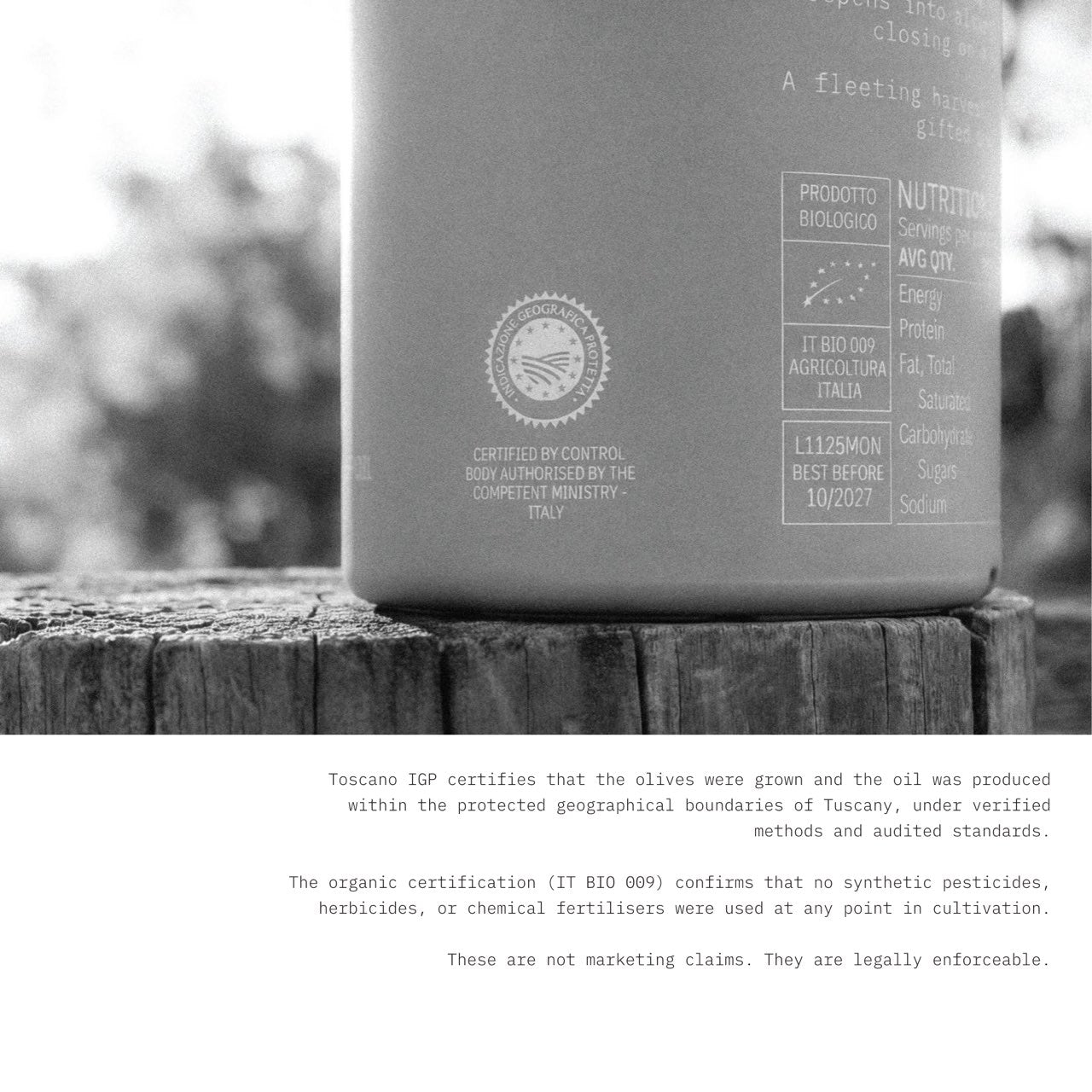
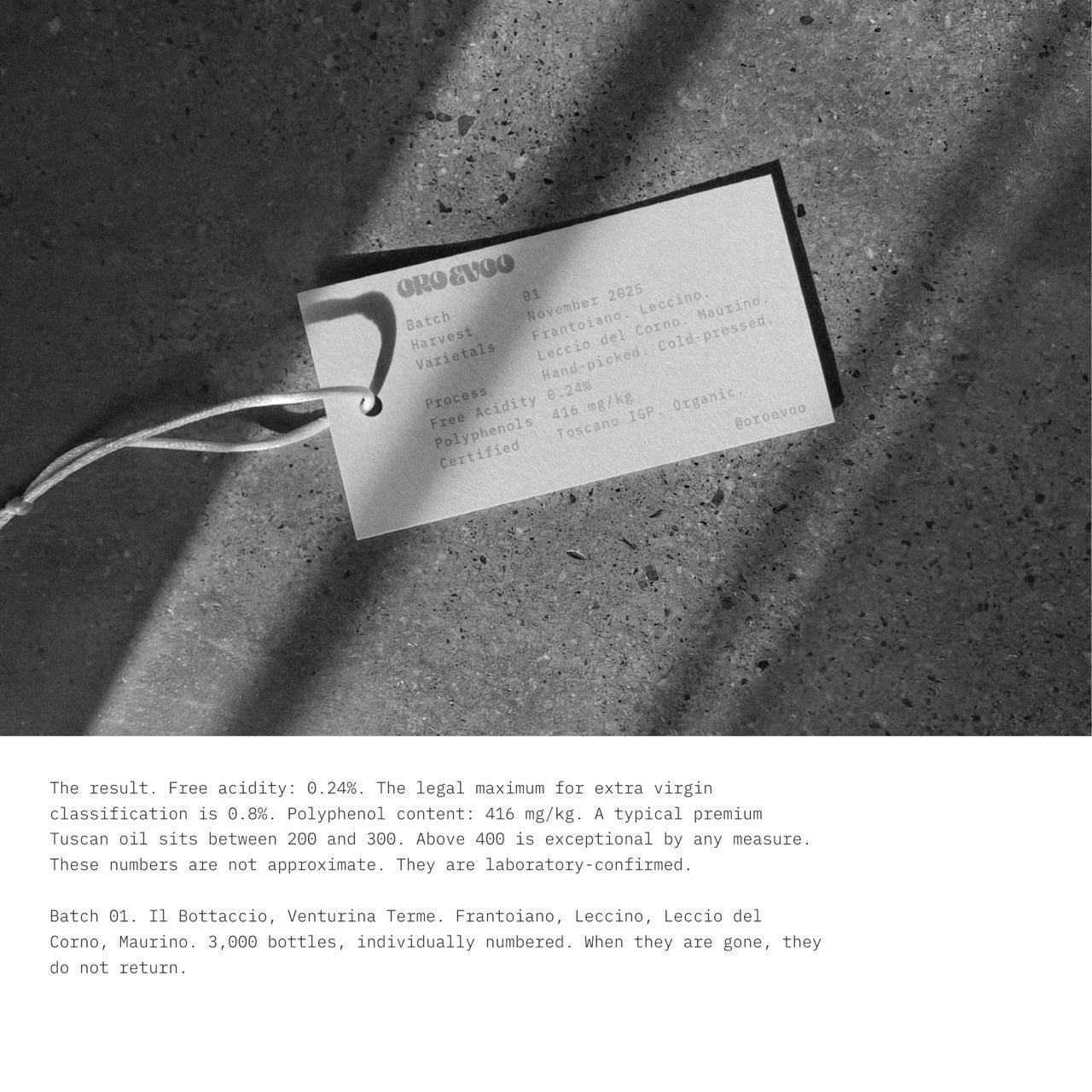
That catch is not harshness and it is not a flaw. It is the polyphenols announcing themselves: the same compounds that carry an oil’s bitterness and its green edge, and the same ones that keep it from going flat on a shelf. A high polyphenol oil is a more alive oil, and you feel it in the throat before you can name it anywhere else. Batch 01 was measured at 416 milligrams per kilogram of biophenols, against a floor of 200 for Toscano IGP.
The other number worth knowing is free acidity, which is not a taste at all but a record of how carefully the fruit was handled between the tree and the mill. Extra virgin is allowed up to 0.8 percent. Batch 01 came in at 0.24.
Bitter is not a fault
New oil is bitter. Anyone raised on soft, aged, buttery oil tends to read that as a mistake, or as the oil being too strong for the food. It is the other way around. Bitterness and pungency both soften across the year as an oil settles, so the sharpest bottle in your kitchen in November is usually the best one you own by March.
What you are actually tasting
Here is the part we find beautiful. All of it is the place.
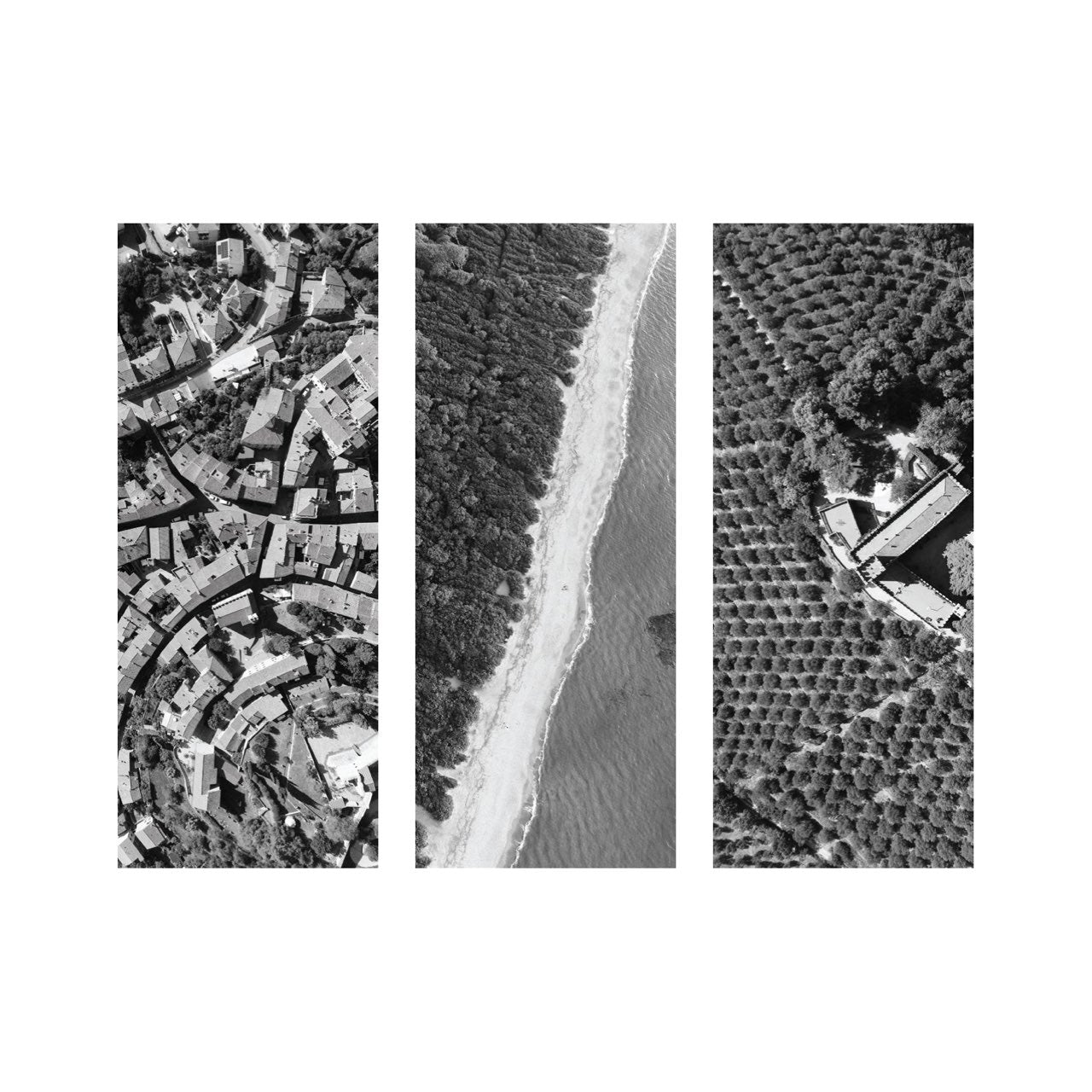
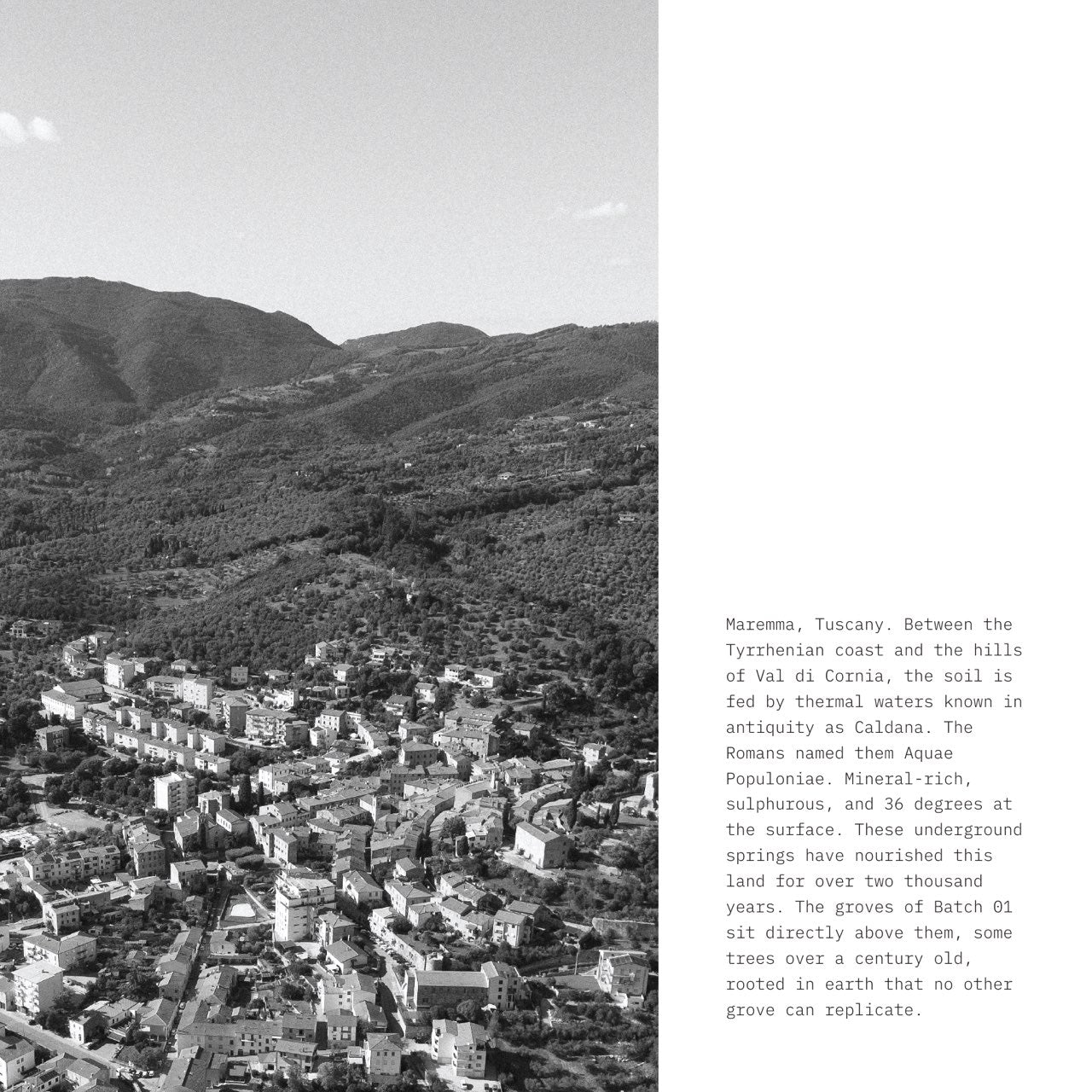
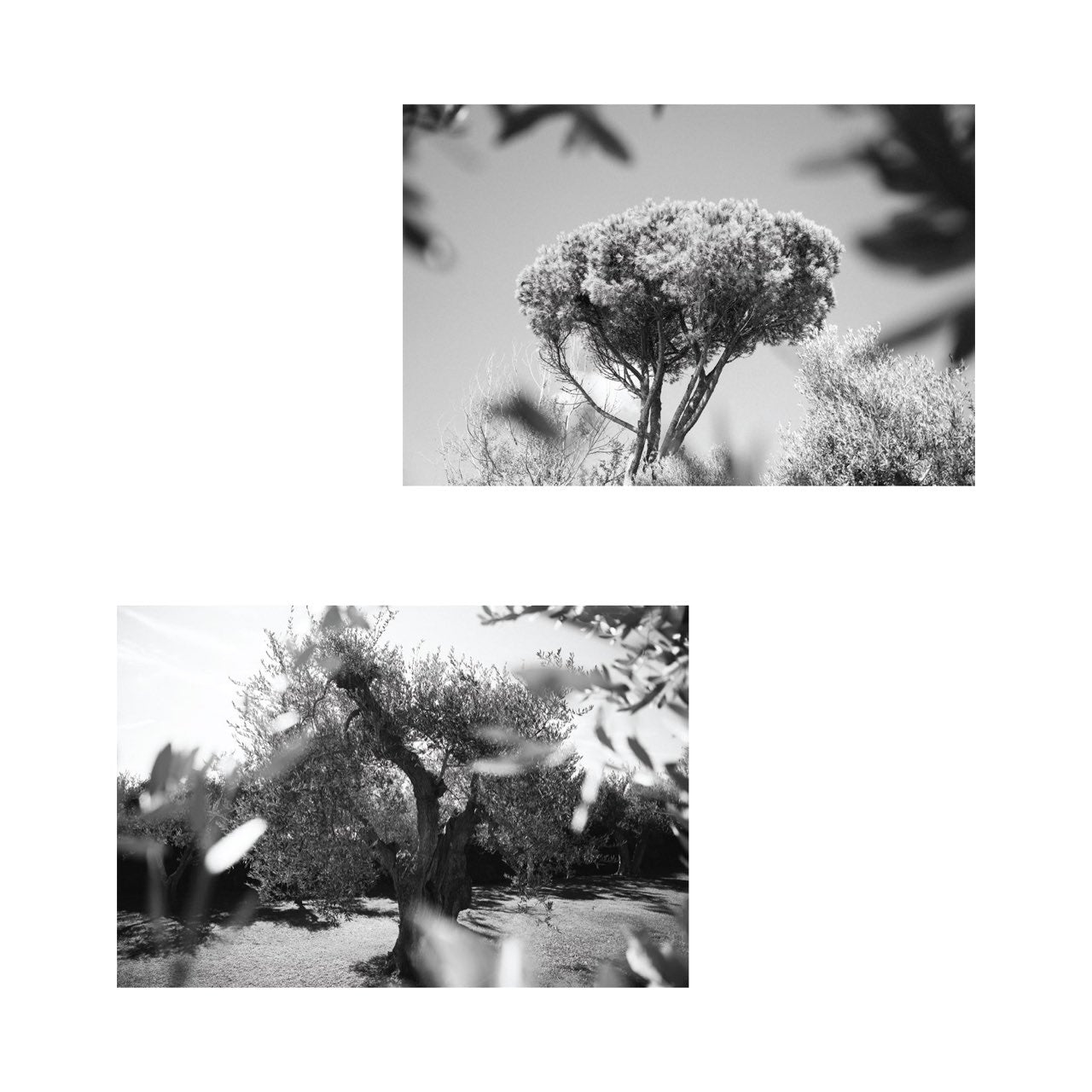
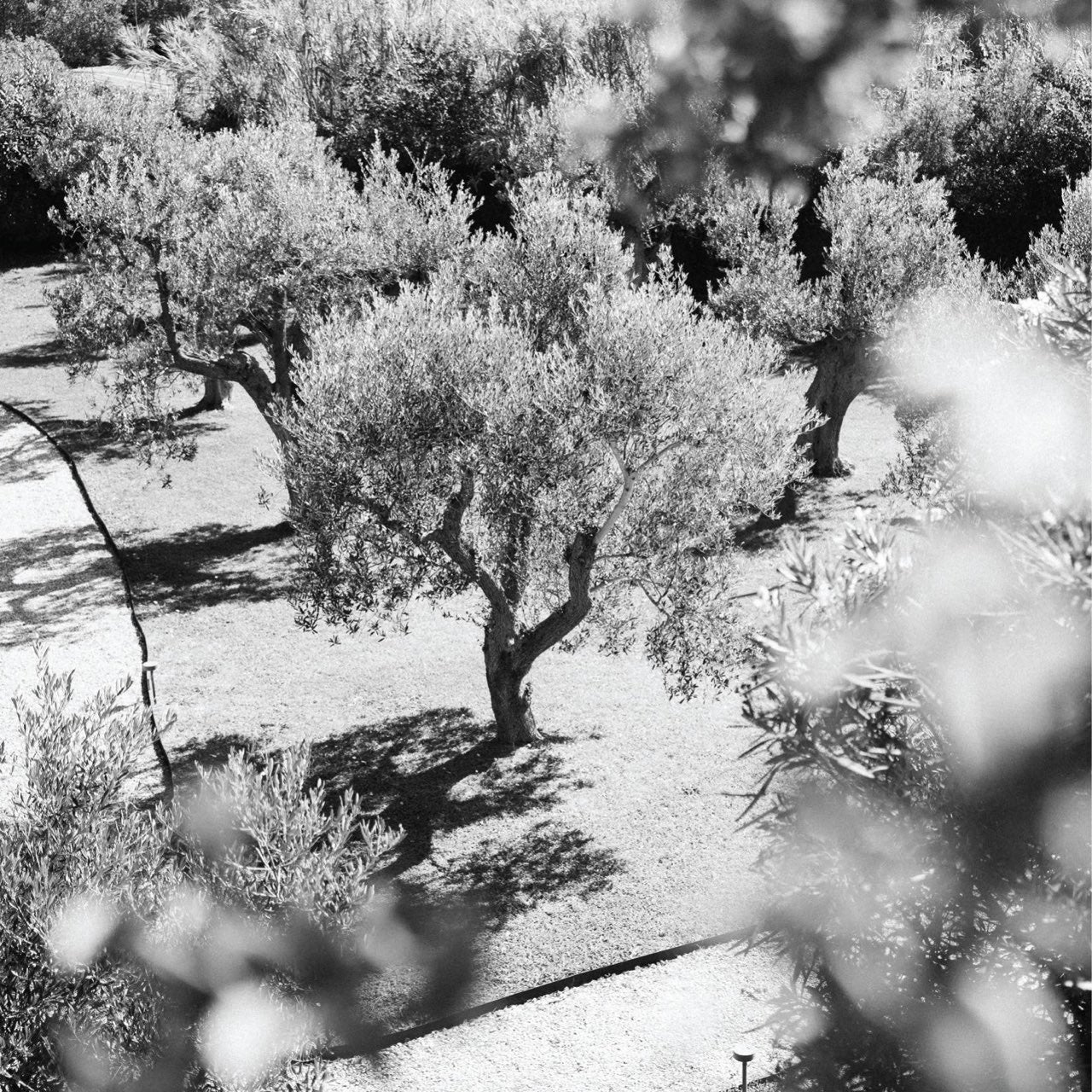
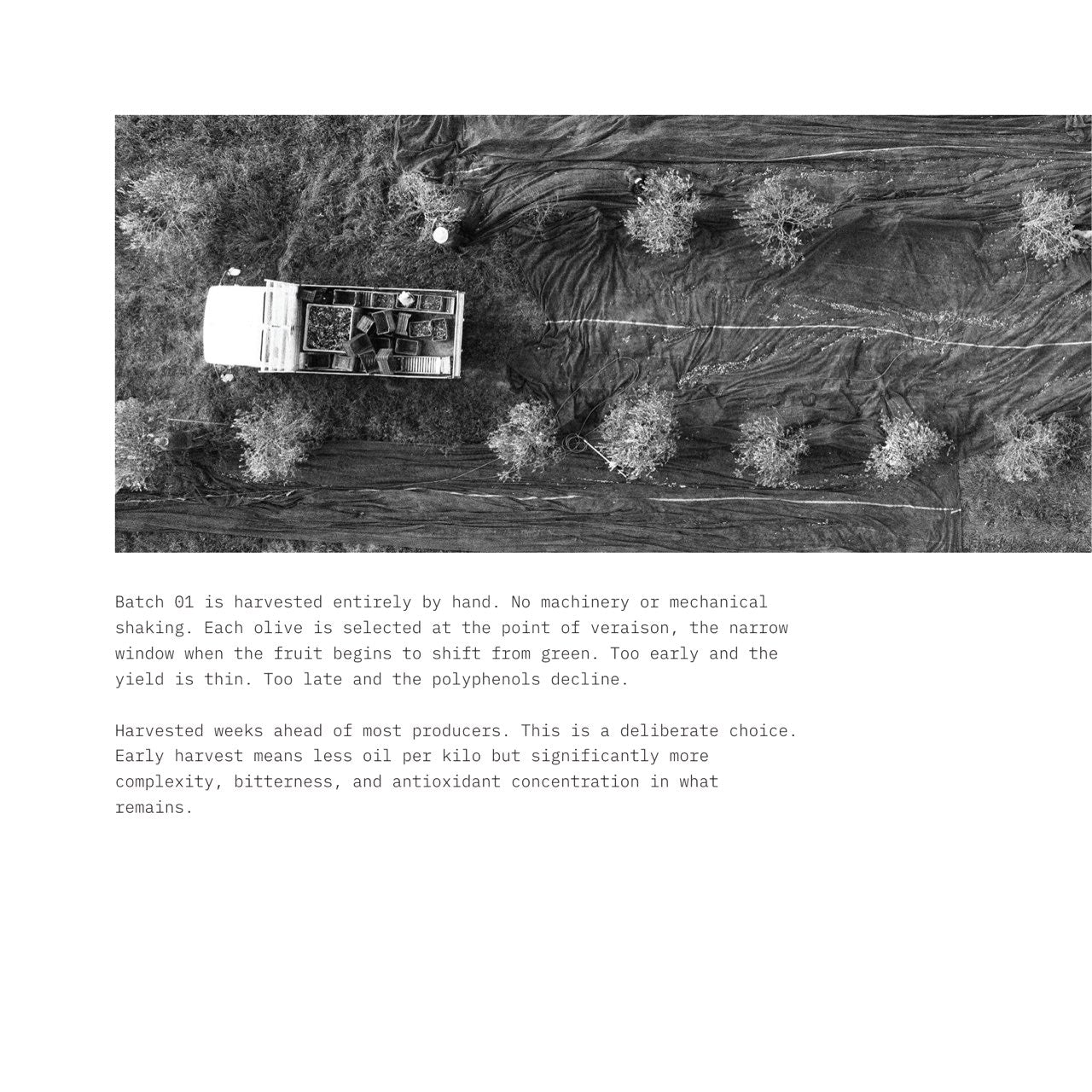
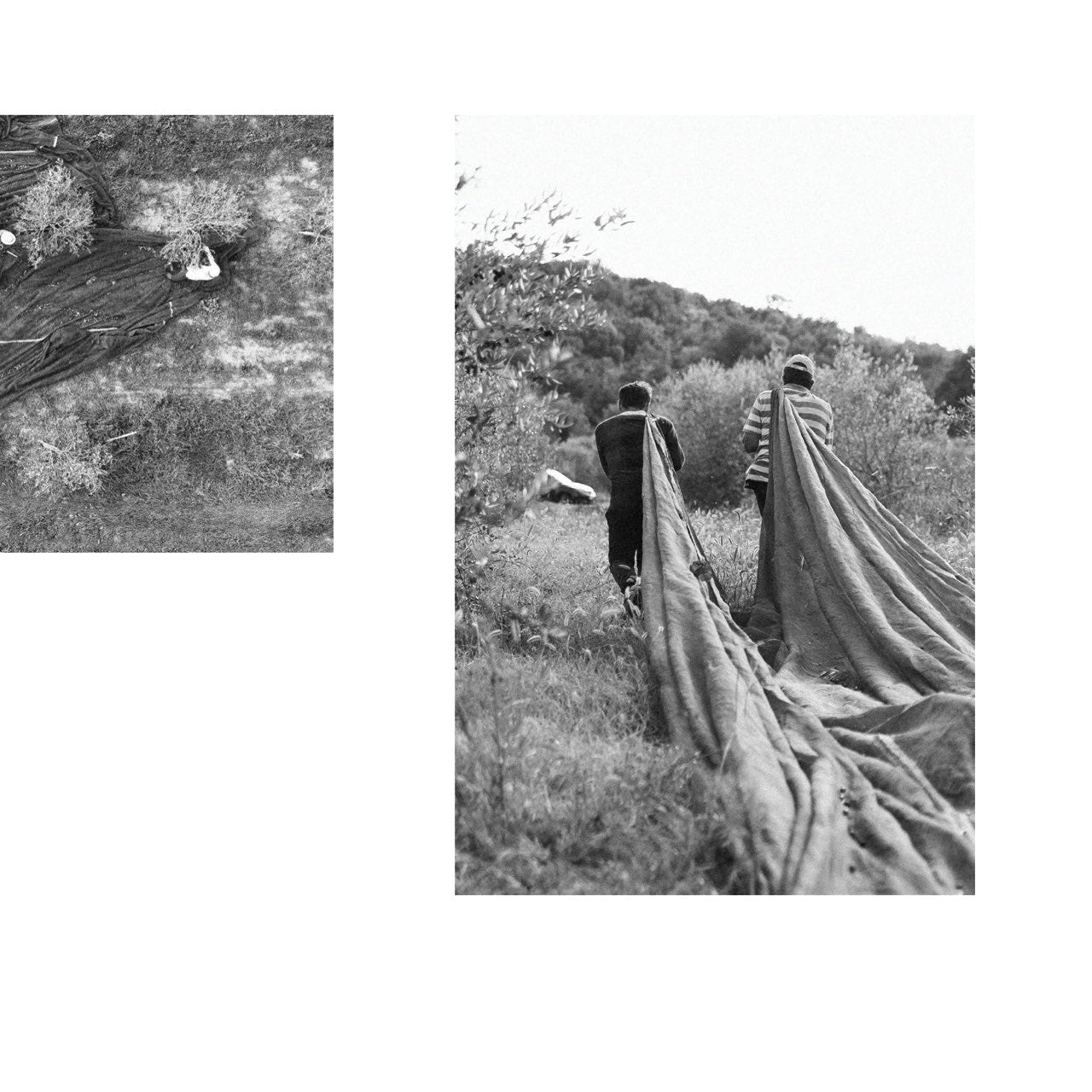
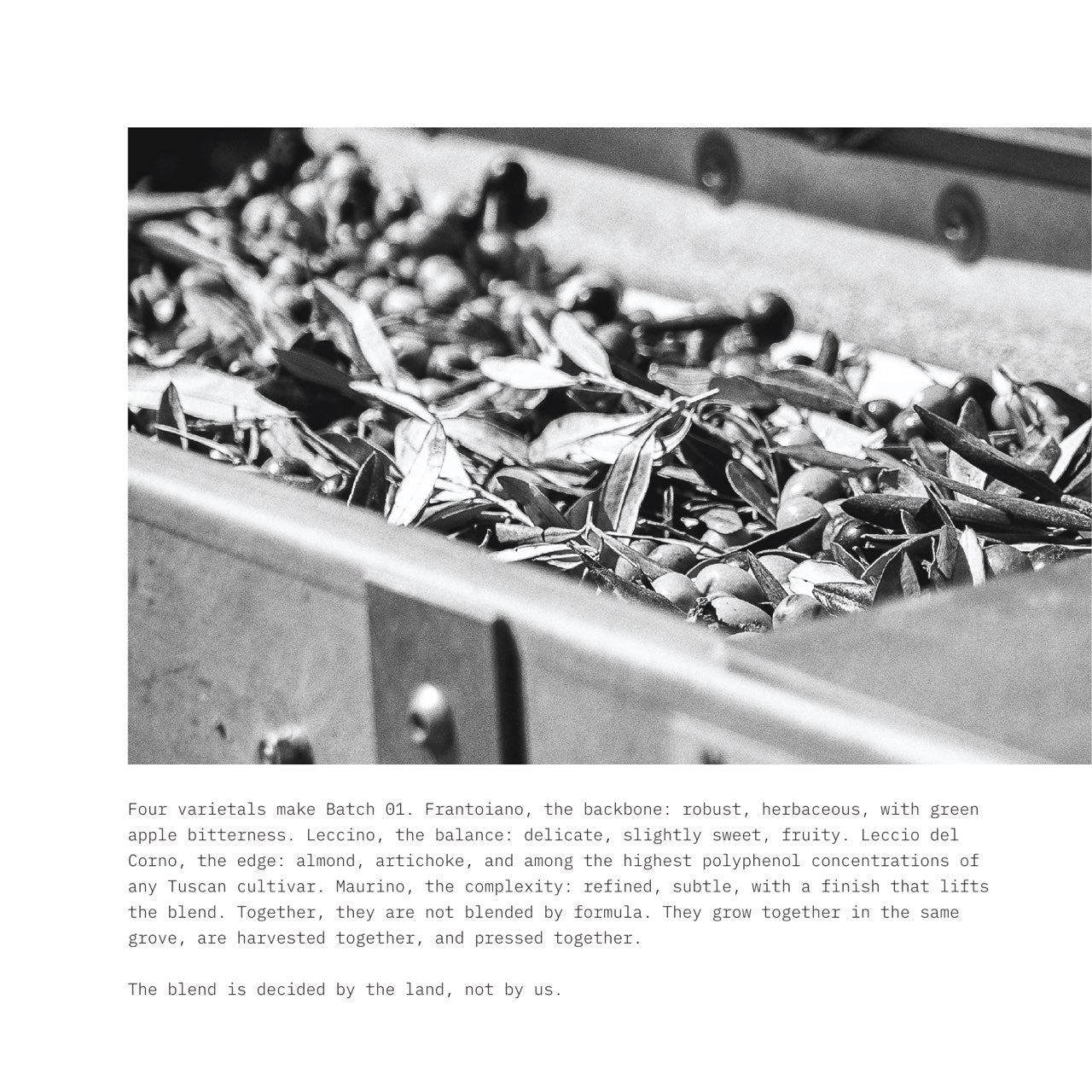
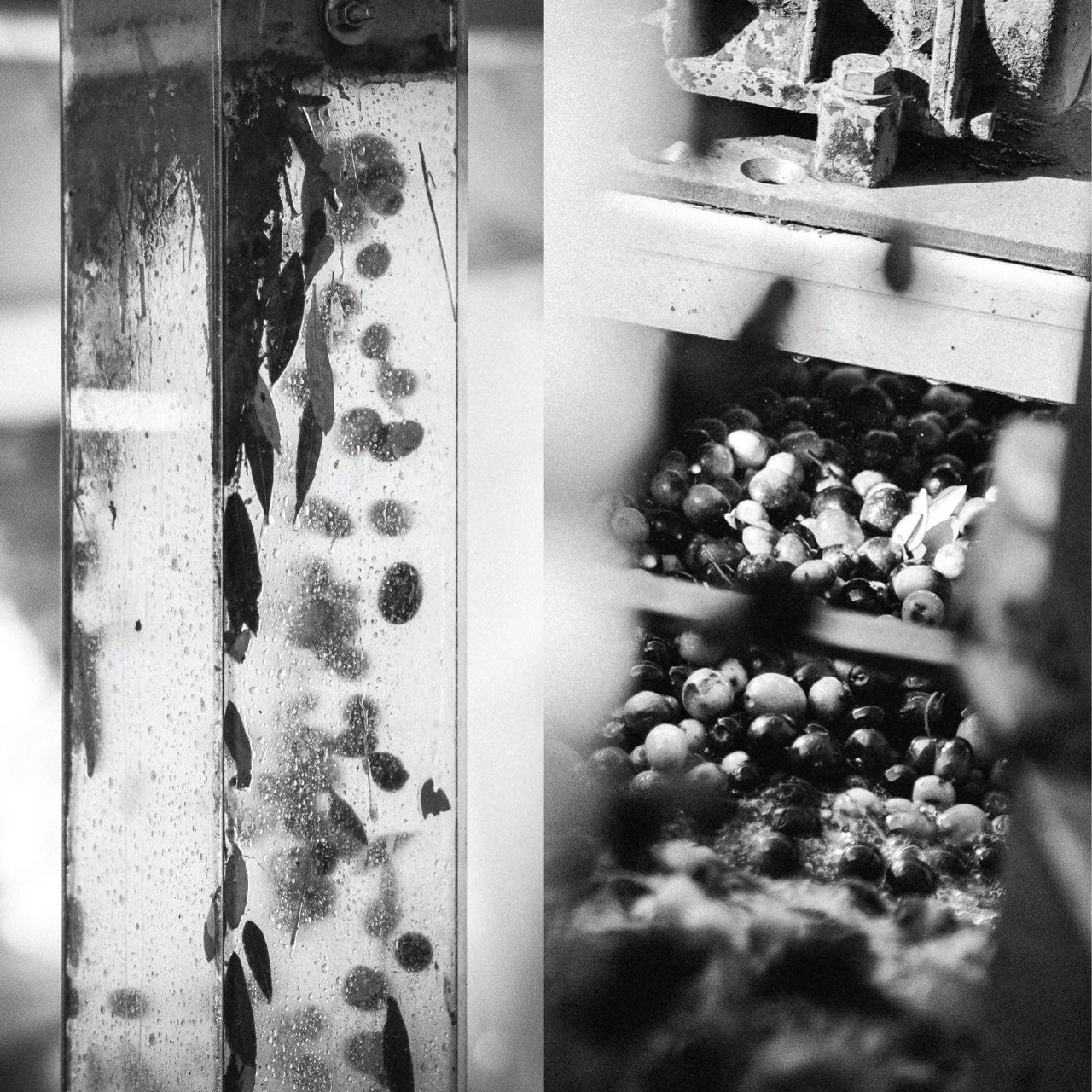
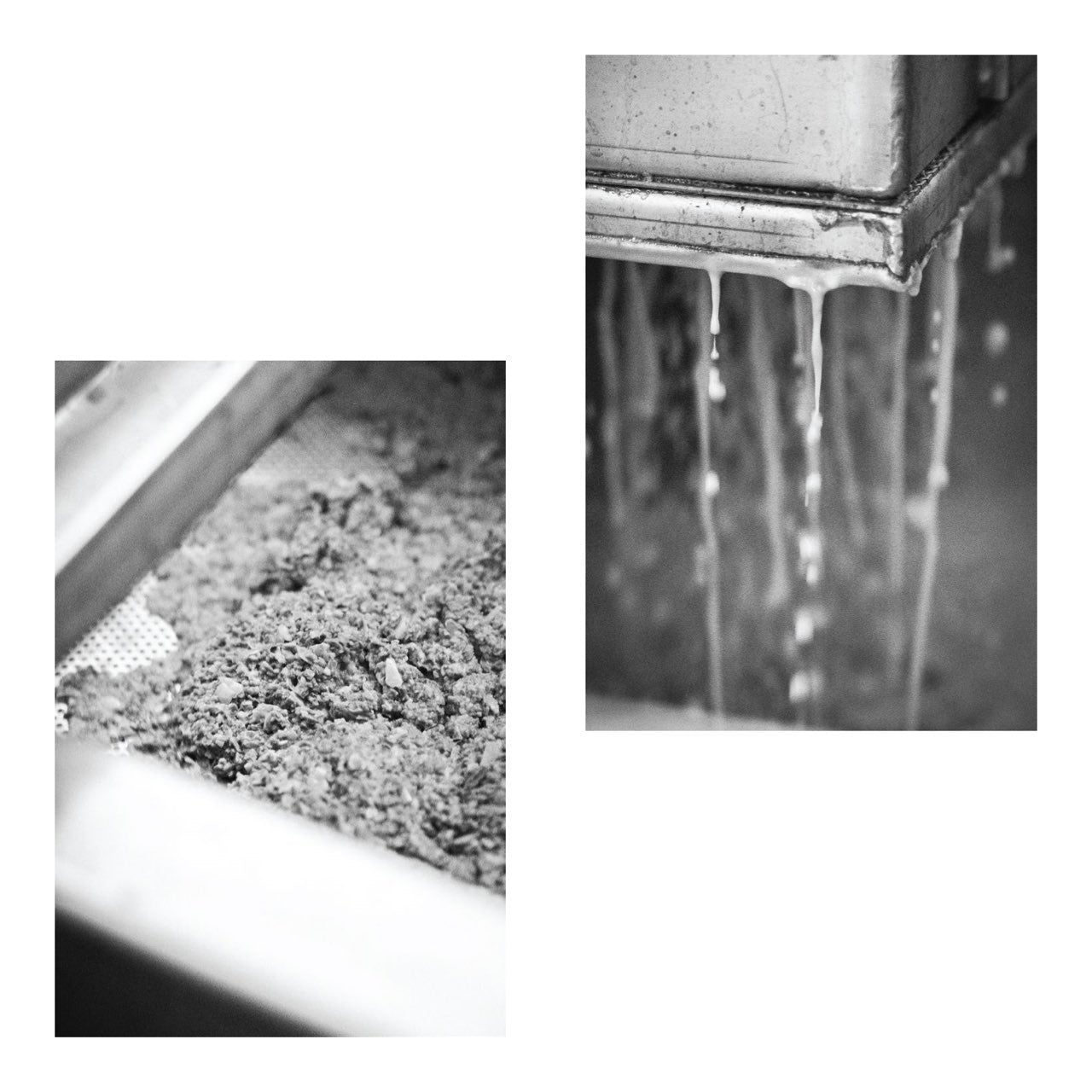
Our grove sits on strange ground: hot mineral springs running under the ground nearby, sea wind off the Tyrrhenian moving through the leaves, a coast that was pressing its own oil long before Rome took it. Just up the coast the same strip raises Bolgheri, home of the Super Tuscan wines, and nobody there questions that a wine tastes of where it stood. Olive oil carries it exactly the same way. Four cultivars growing in the same rows and going into the mill together, pressed within hours of picking by a fourth-generation family in the Maremma: Frantoiano, Leccino, Leccio del Corno, Maurino.
Salt, wind, warm earth, old soil. It all ends up in the glass. Wine has been given a vocabulary for this. Olive oil has not, so almost nobody teaches you to look for it.
Ninety seconds, a small glass, a few seconds of patience at the end. Then pour the second best bottle in your kitchen and do the same thing beside it. That comparison is the whole education.
Next letter: harvest week, and the race that decides everything.
Marcello
ORO · Batch 01 · oroevoo.com
From the grove