Picked by hand, pressed by lunchtime
Ciao,
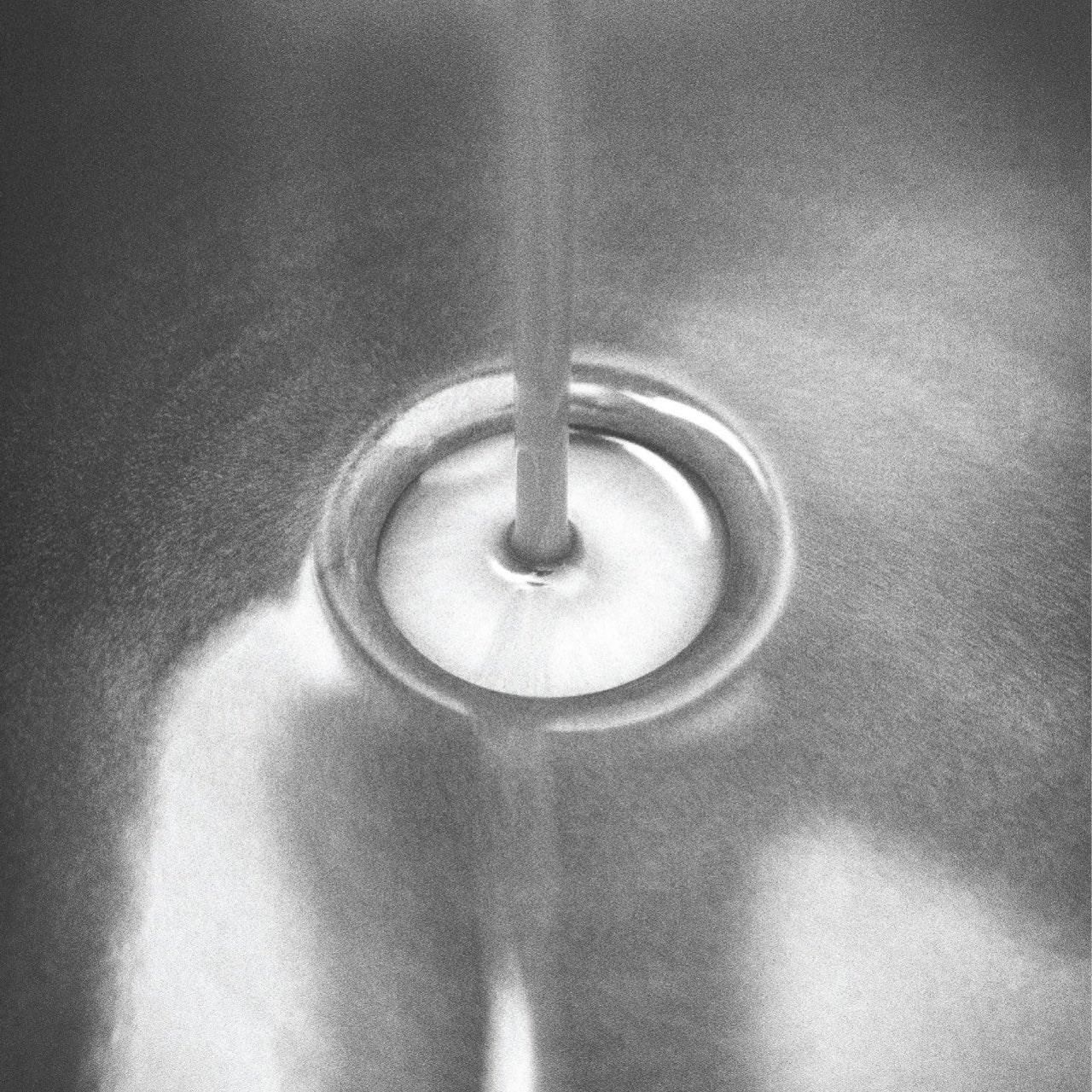
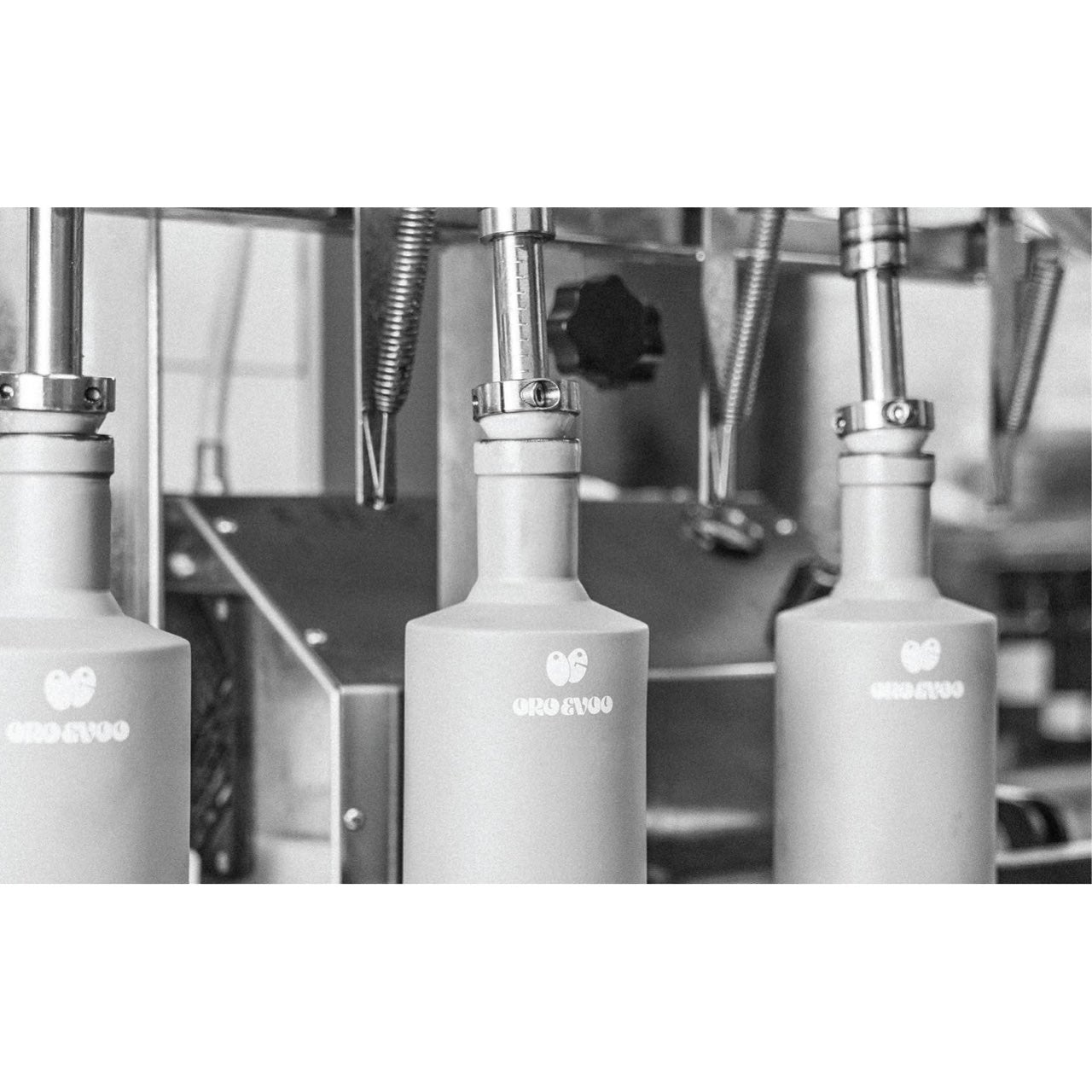
That green-gold stream in the photo above is Batch 01, minutes old.
Here is the part the label rarely tells you. In Europe, first cold pressing and cold extraction are two separate phrases for two separate machines, and only one of them involves a press.
Both phrases are older than most of the equipment they describe. In the old mills the olives were crushed to a paste, the paste was spread onto round fibre mats, the mats were stacked dozens deep, and the stack was squeezed under a hydraulic press. What ran out first, with no heat and no help, was the best oil of the day. Then the spent paste was wetted with hot water and pressed again, sometimes more than once, for something thinner and coarser. That is where both halves of the phrase come from. There was a second pressing, and it was worse. Being first mattered.
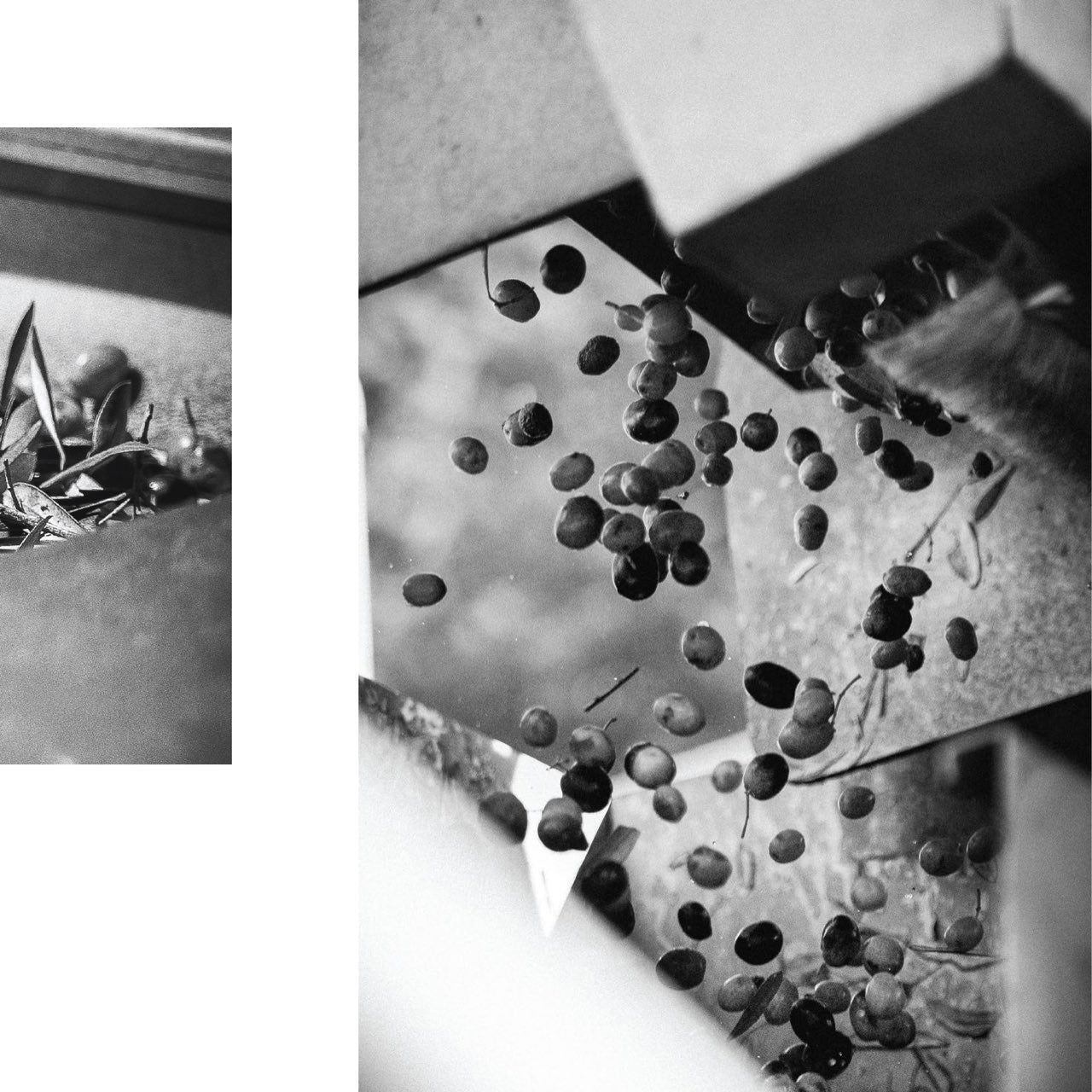
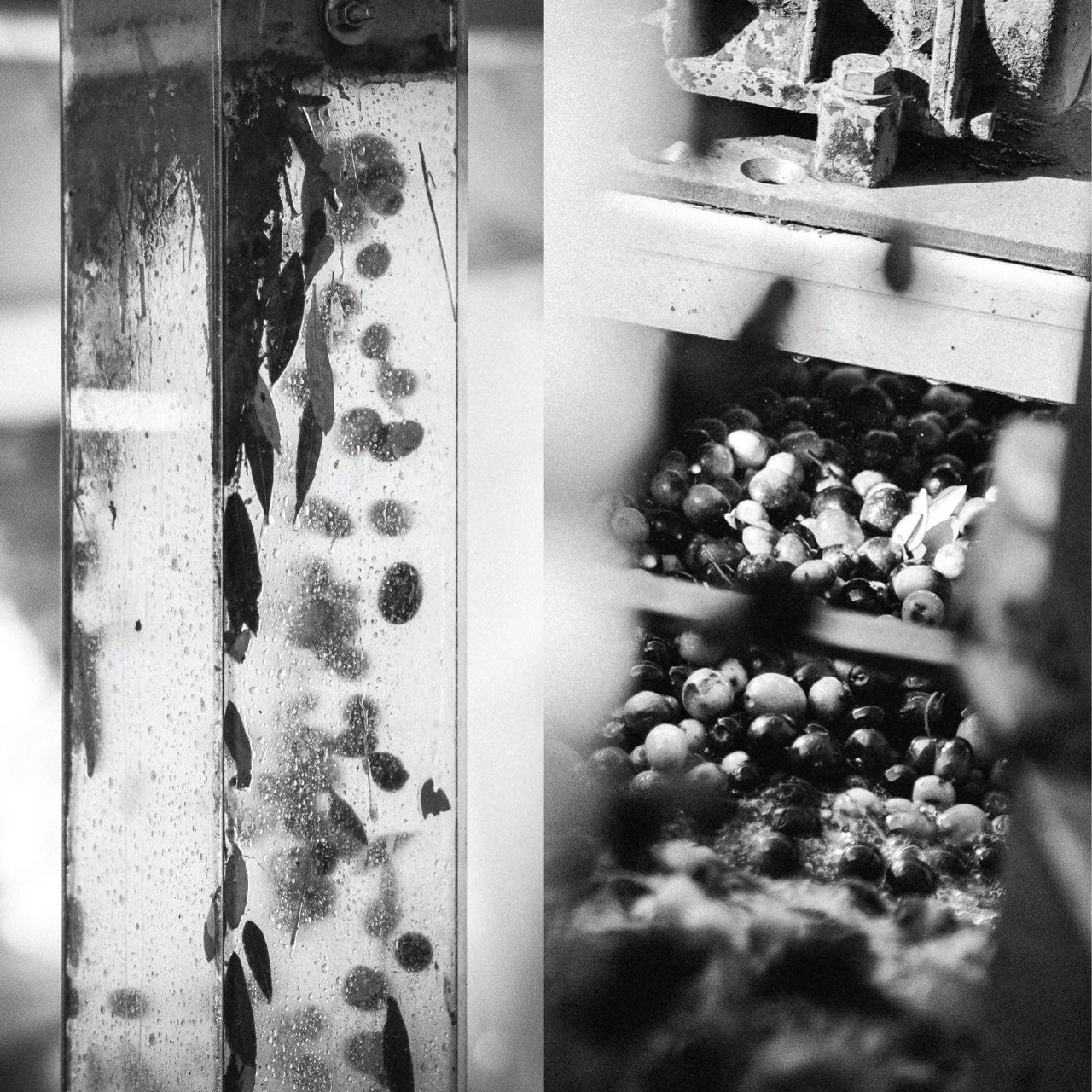
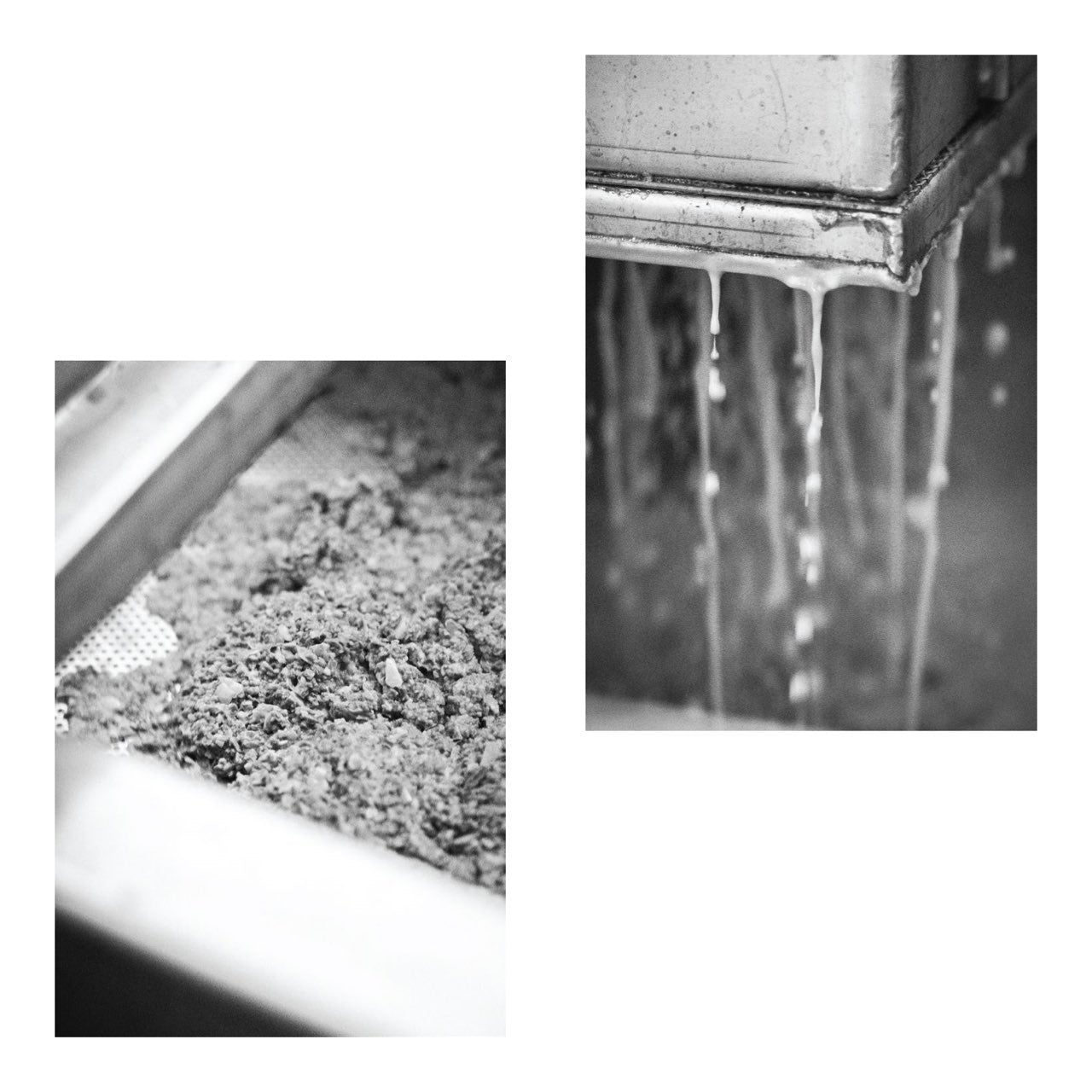
The line that replaced it does none of that. The olives arrive in crates, are washed and stripped of leaf, and go through a crusher that reduces fruit and stone together to a paste. The paste is then stirred, slowly, in a long steel trough. This is the quiet step nobody photographs and the one that decides the oil: the stirring lets microscopic droplets find each other and coalesce into something a machine can separate. It is also where a miller can cheat, because warming the paste and stirring it longer makes the oil come out more easily, and there is more of it.
From there the paste is fed into a horizontal centrifuge, which throws oil, water and solids apart by weight alone. A second, finer centrifuge polishes what comes off. Then it goes to steel. The line runs continuously and the fruit passes through once. There is no second pass. There is no press.
So when a bottle says first cold pressed, one of two things is true. Either it came off a hydraulic press, which is worth saying, or the phrase is decoration.
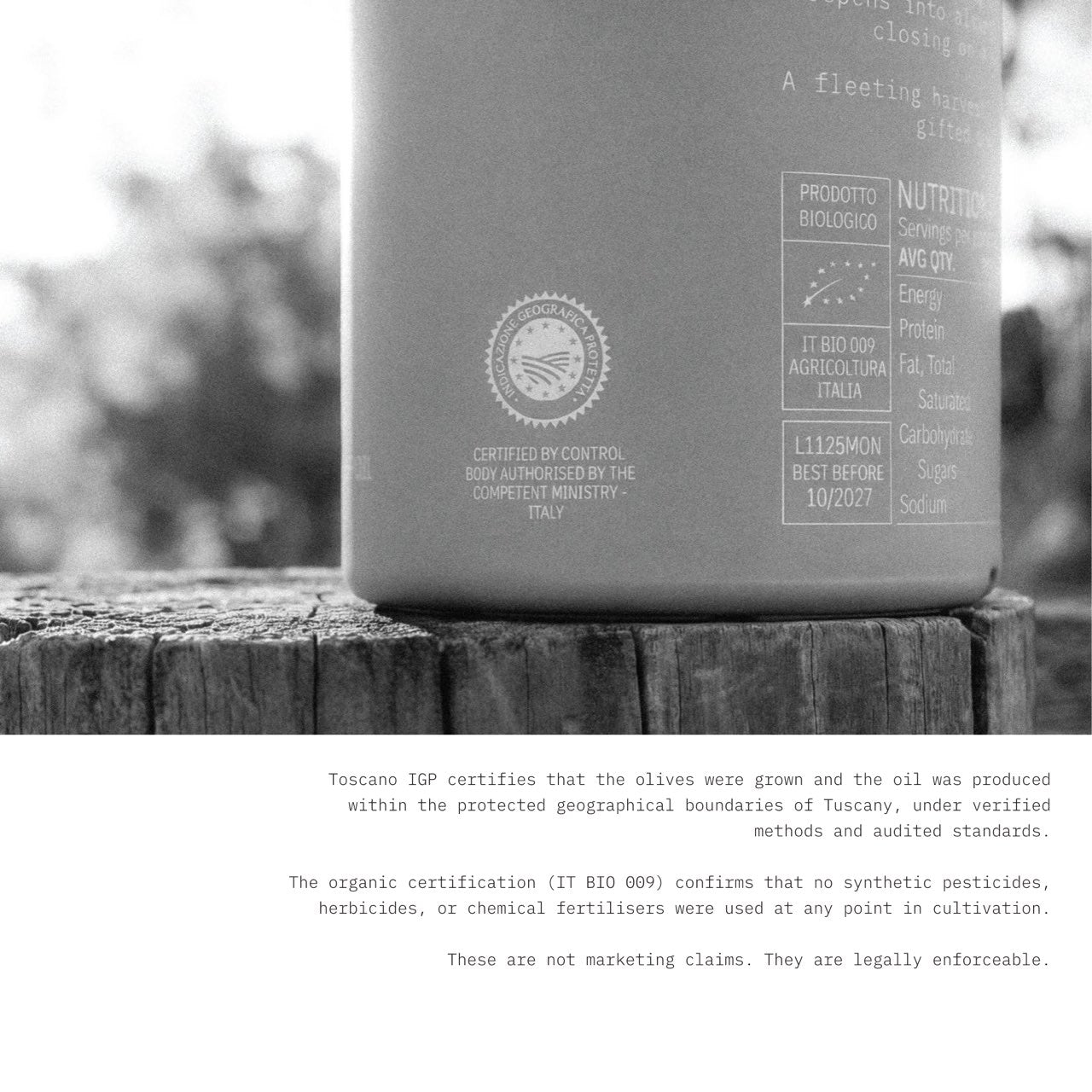
This oil is made in Tuscany, so it is European law that governs what may be written on its label, and European law is unusually precise here. The marketing standard for olive oil, Commission Delegated Regulation (EU) 2022/2104, sets out exactly two phrases for how the oil came out of the fruit, and they are worth quoting rather than paraphrasing. The indication first cold pressing may appear only for extra virgin or virgin olive oils obtained at a temperature below 27 degrees from a first mechanical pressing of the olive paste by a traditional extraction system using hydraulic presses. The indication cold extraction may appear only for extra virgin or virgin olive oils obtained below 27 degrees by percolation or centrifugation of the paste. Two sentences, one for the old machine and one for the new. Anything else a bottle says about pressing sits outside them.
What both phrases share is the number. Twenty-seven degrees is not a tradition or a house preference, it is the line Europe draws, and everything interesting about how oil is made sits on one side of it or the other. Warmth and time make extraction easier and yield more. They also drive off the volatile compounds that carry cut grass and green almond, which is the part of an oil you lose first and cannot put back. Every mill is making that trade. The good ones give up the yield.
One more thing worth knowing, because it is the closest thing to a second pressing that still exists. The solids left after extraction still hold a little oil. It can be recovered, but only with solvent, and it has to be refined before anyone can eat it. In Europe that is a separate product with its own name, olive pomace oil, and it may not be sold as olive oil.
So to Batch 01, and only what we can put a hand on.
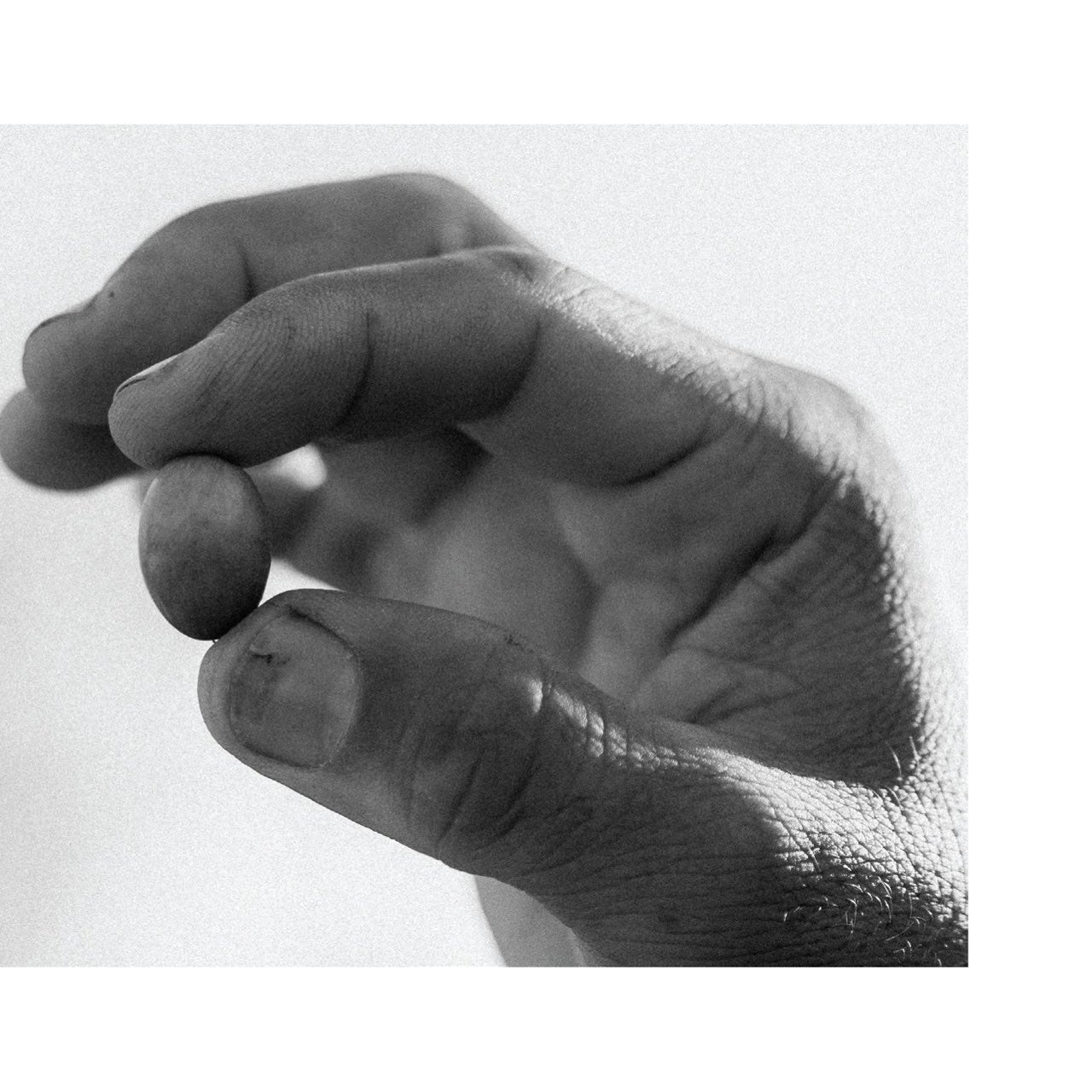
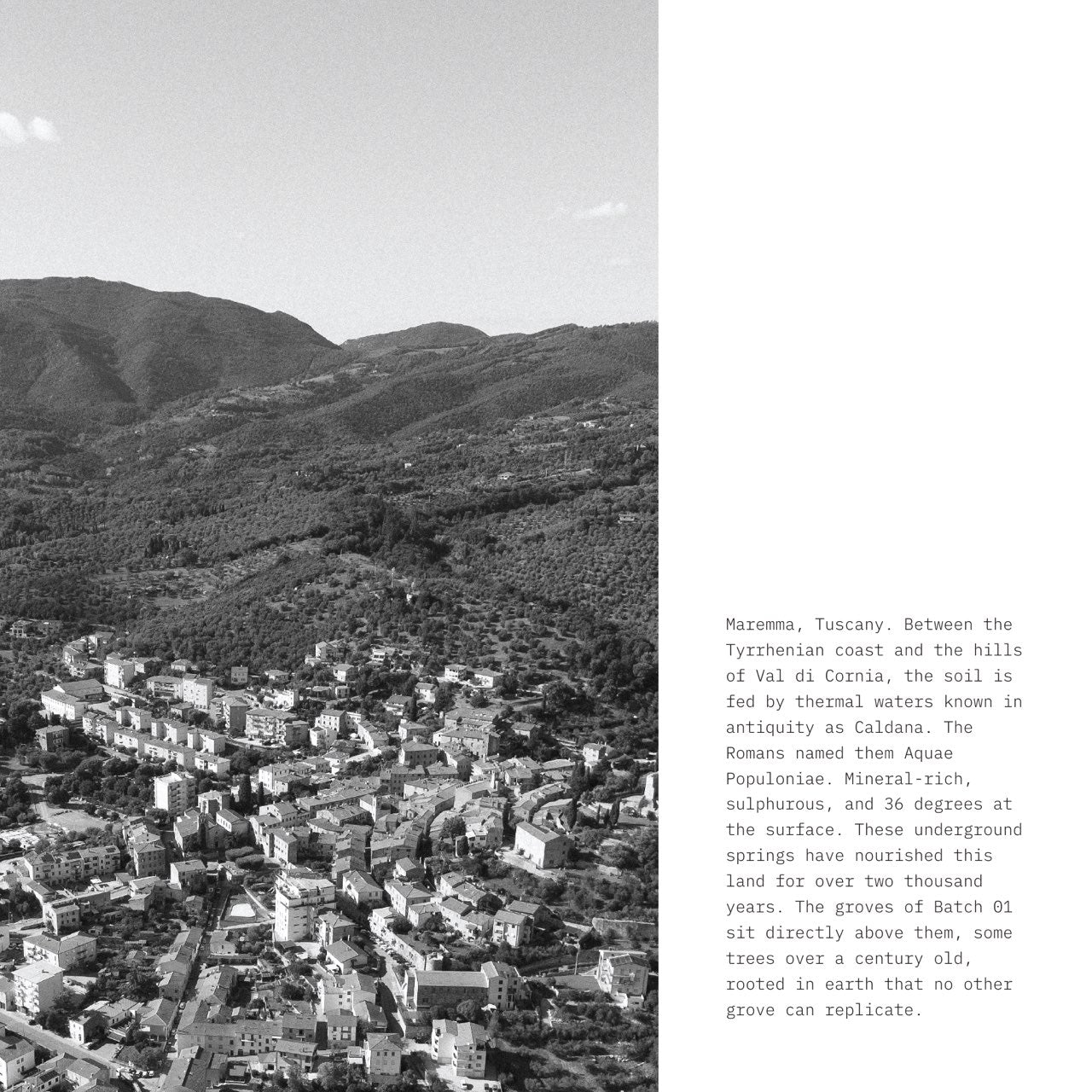
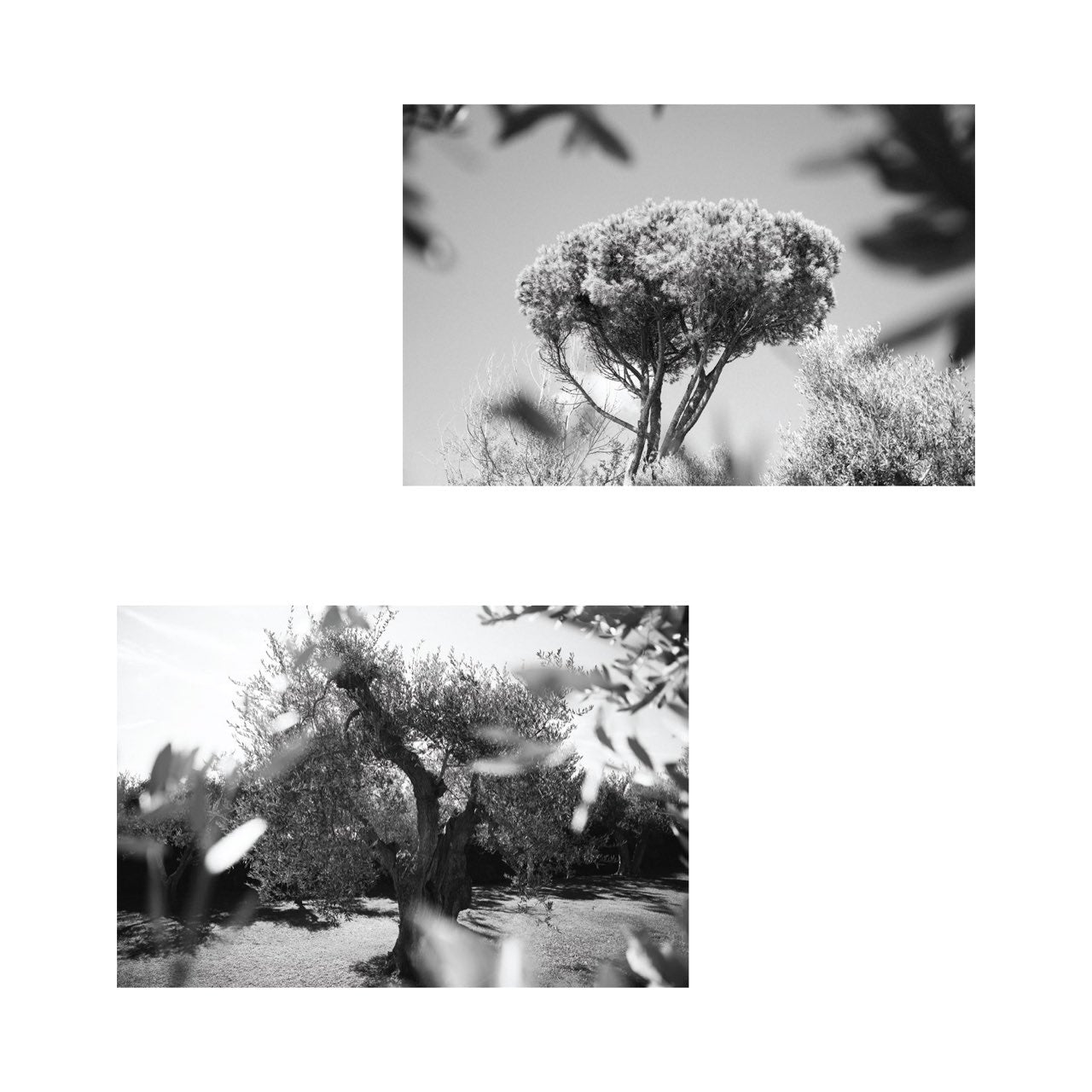
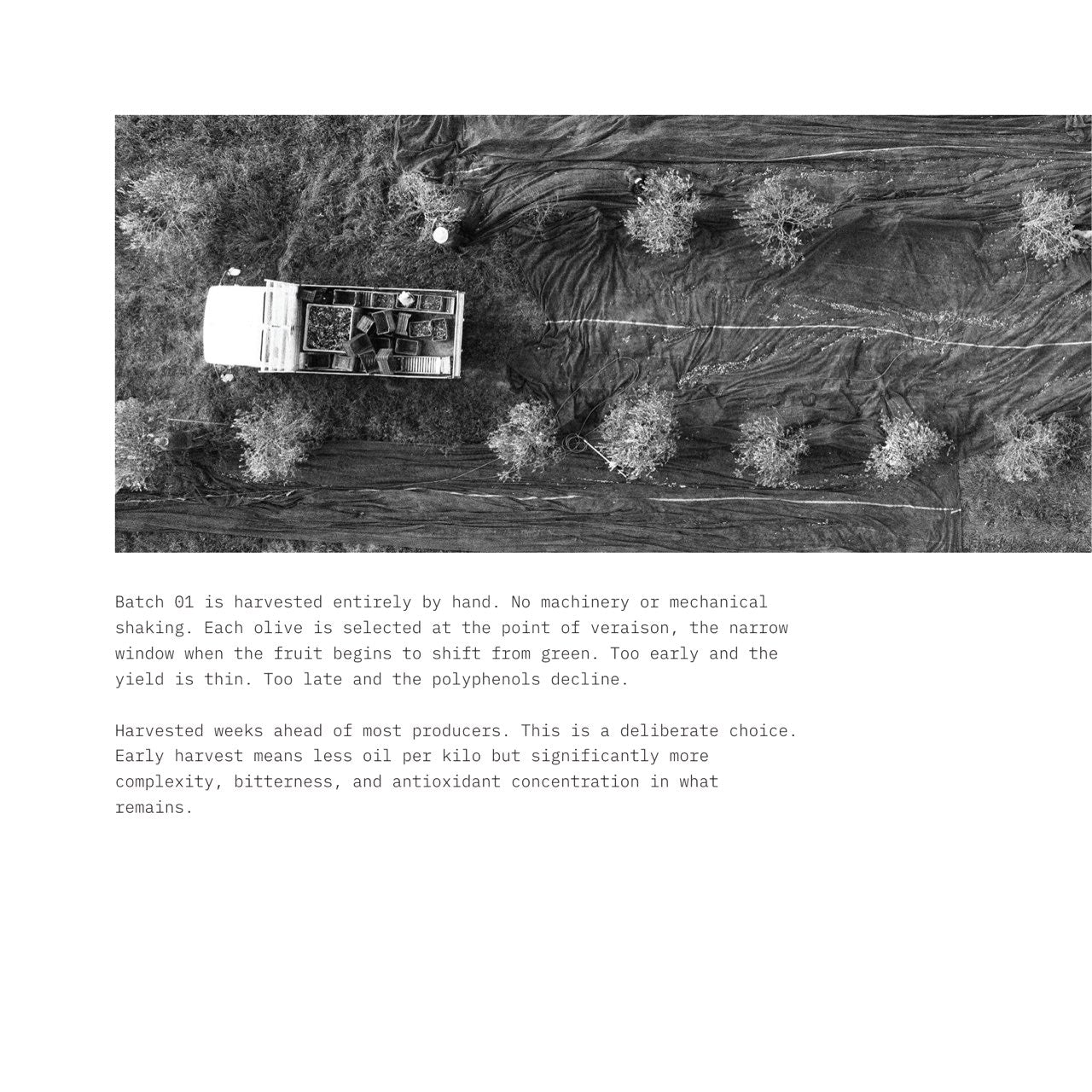
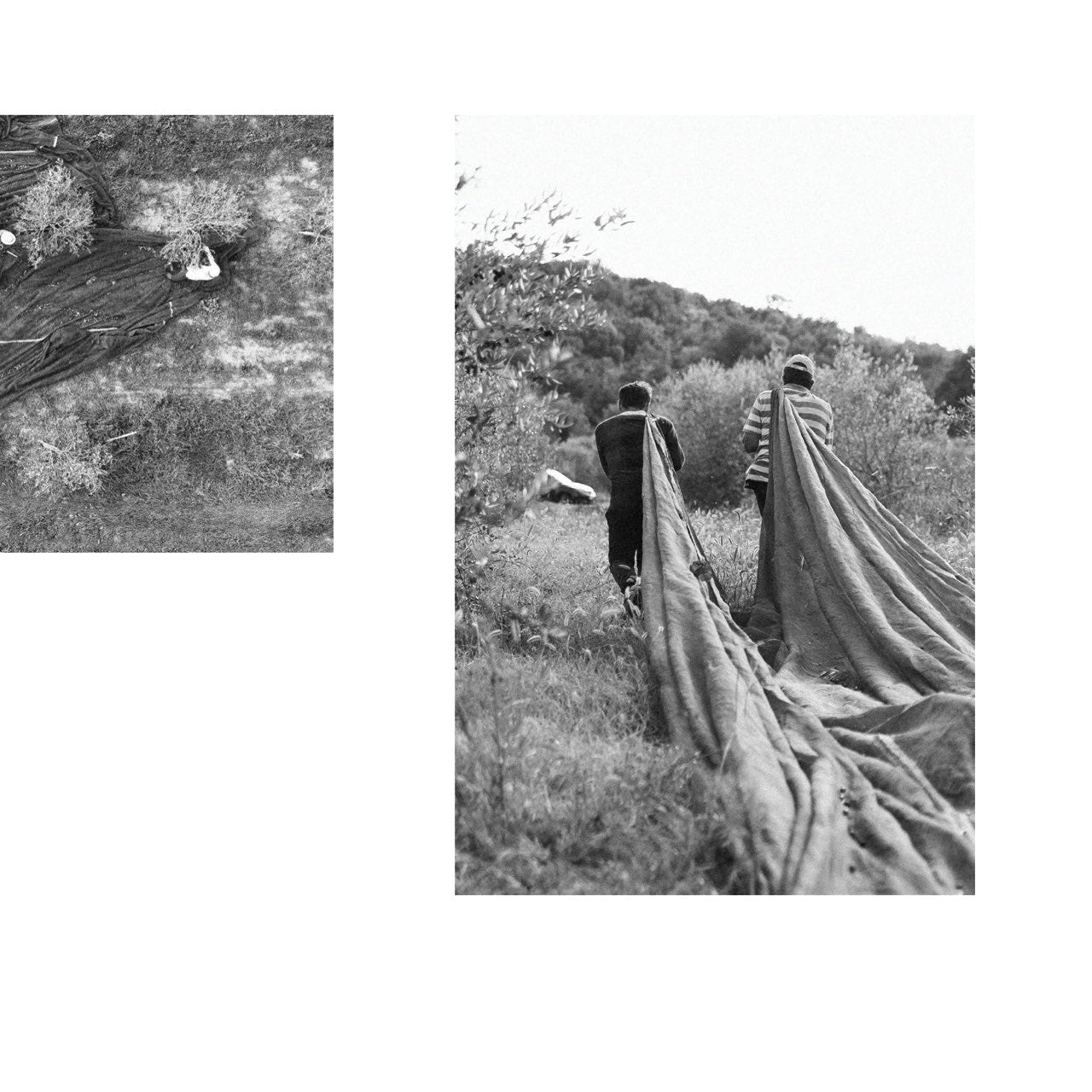
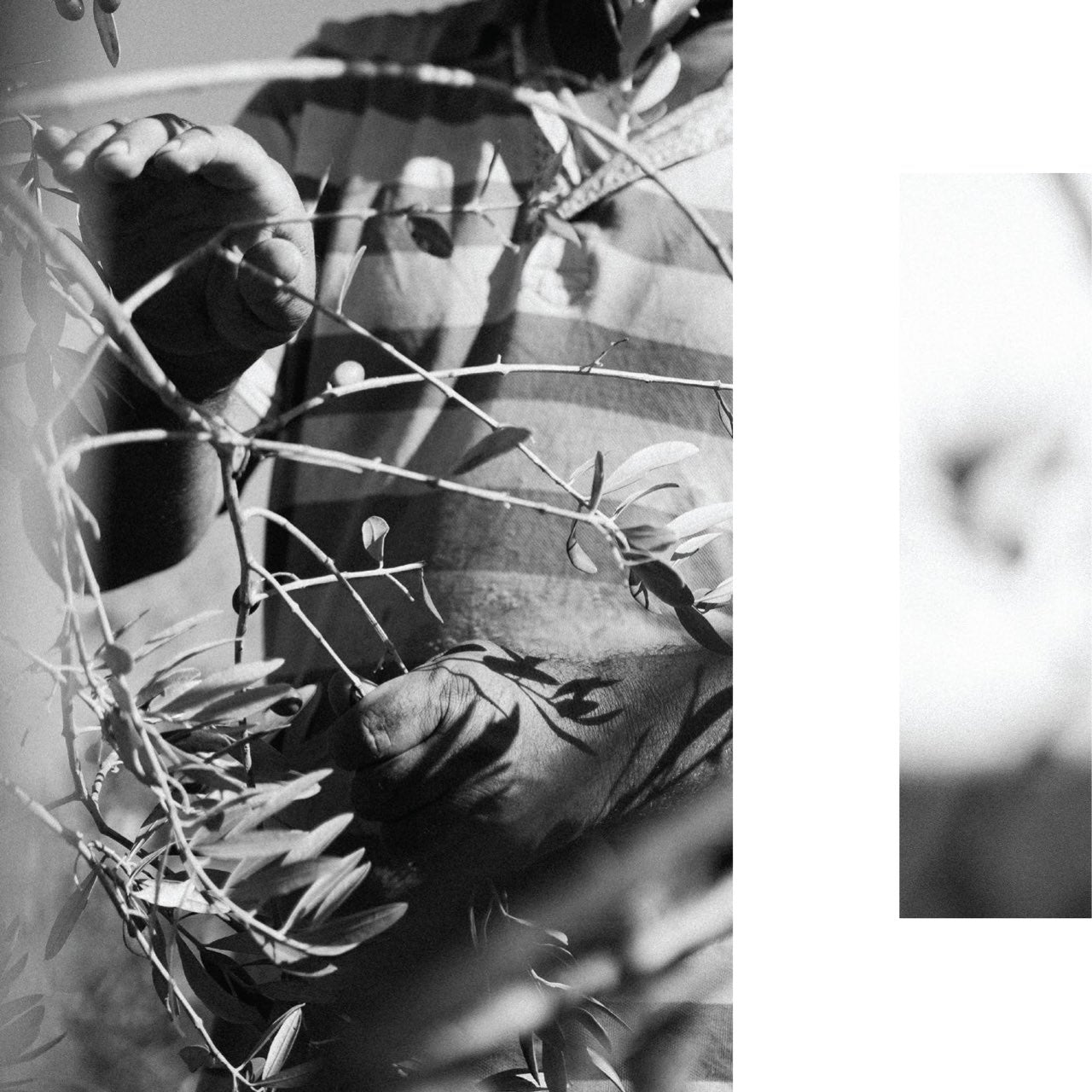
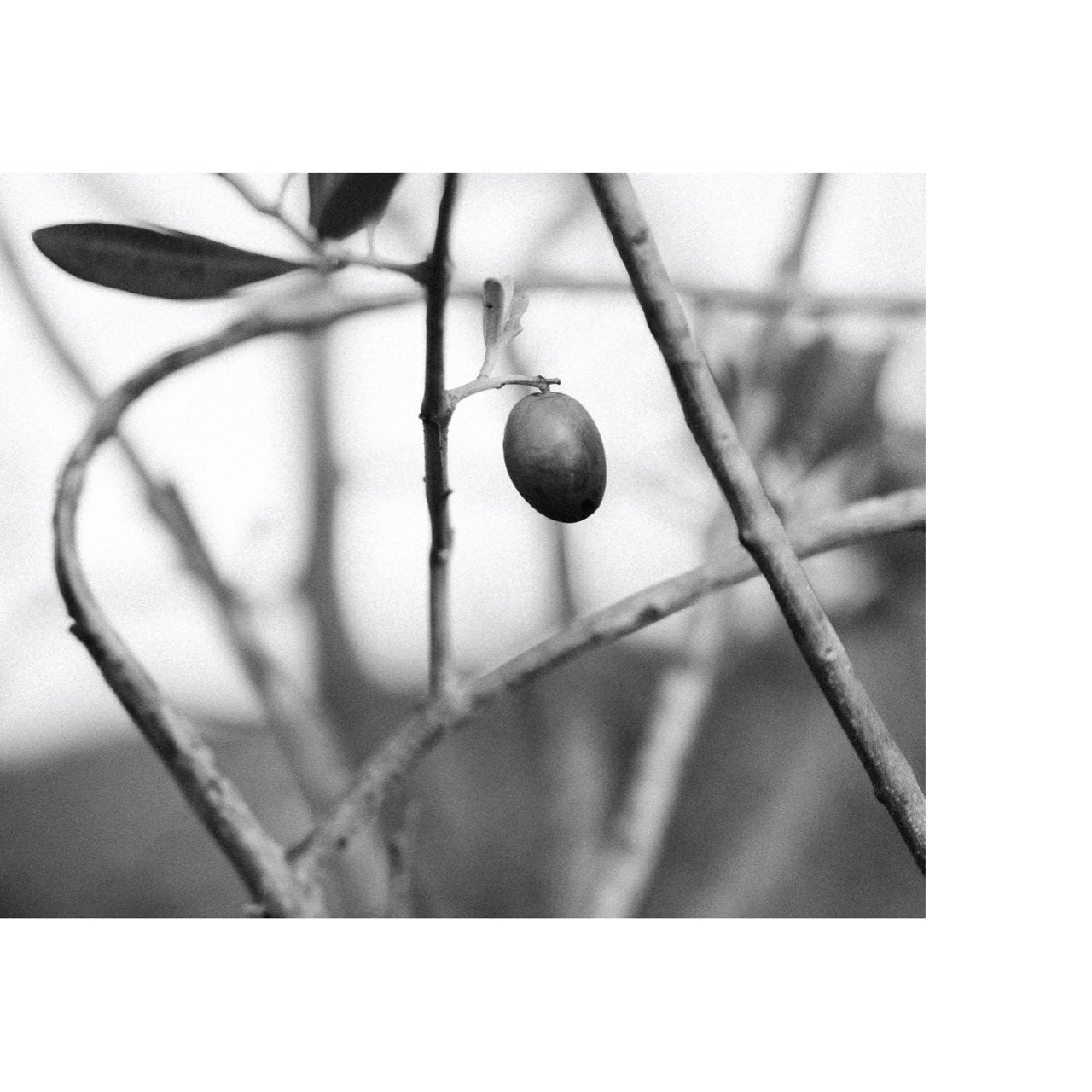
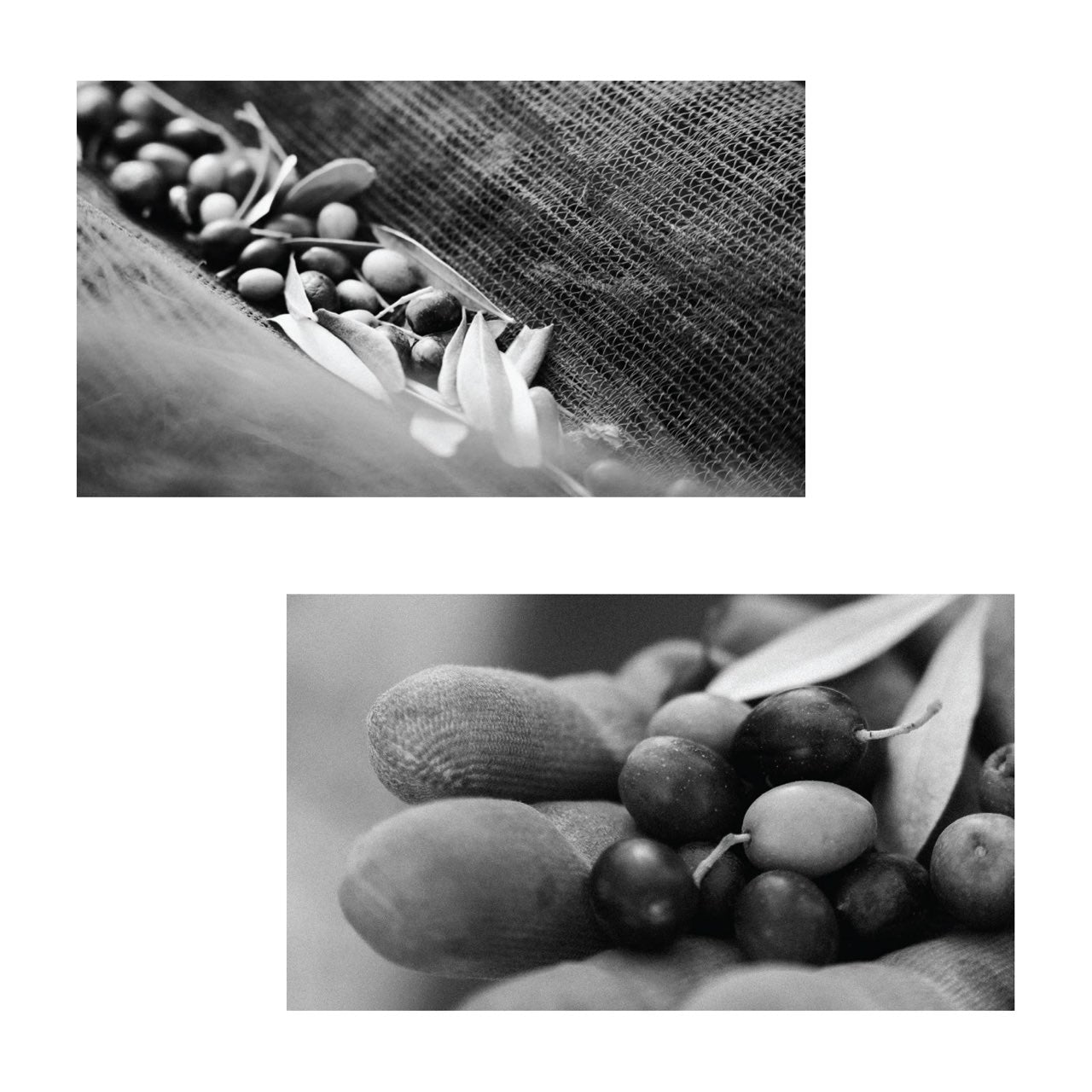
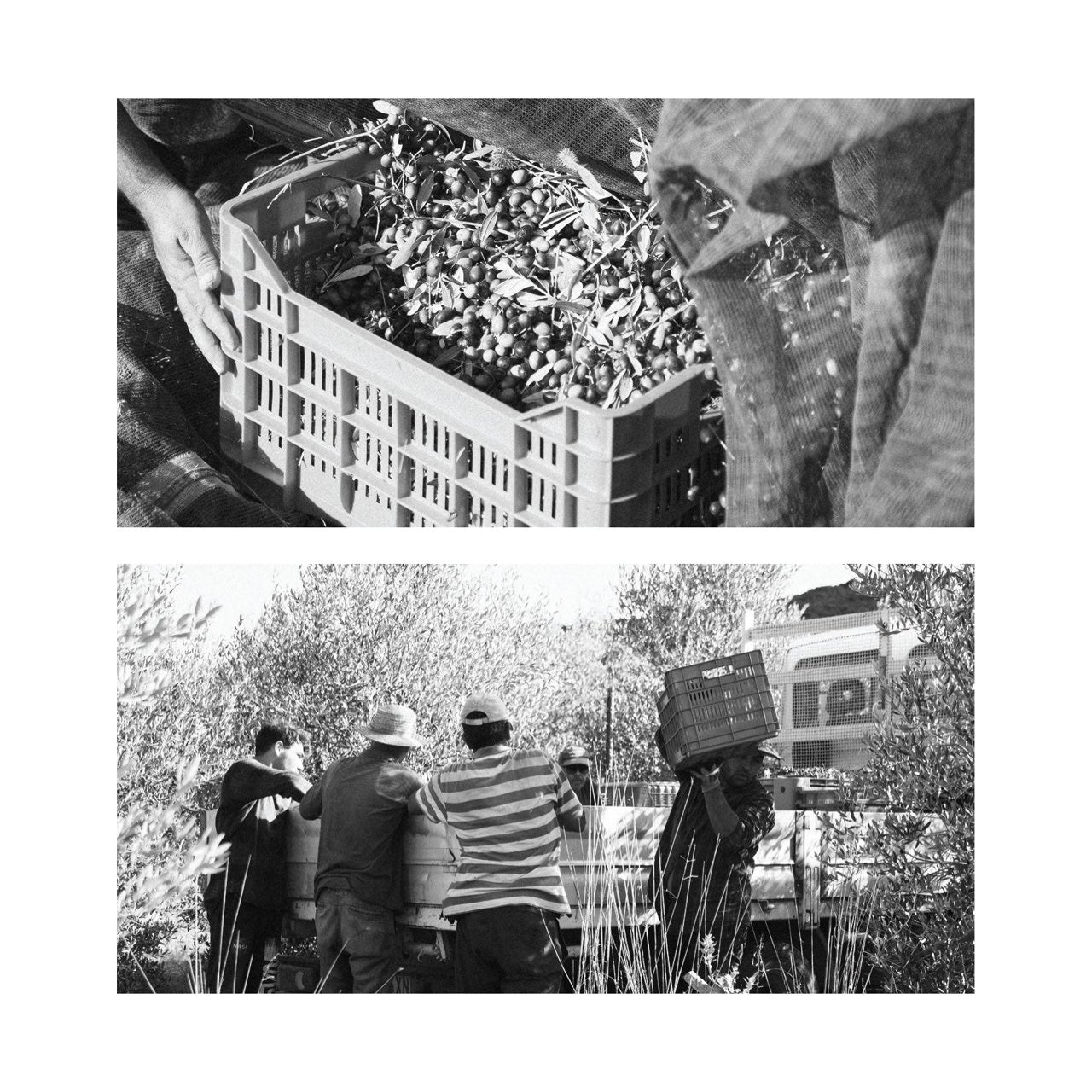
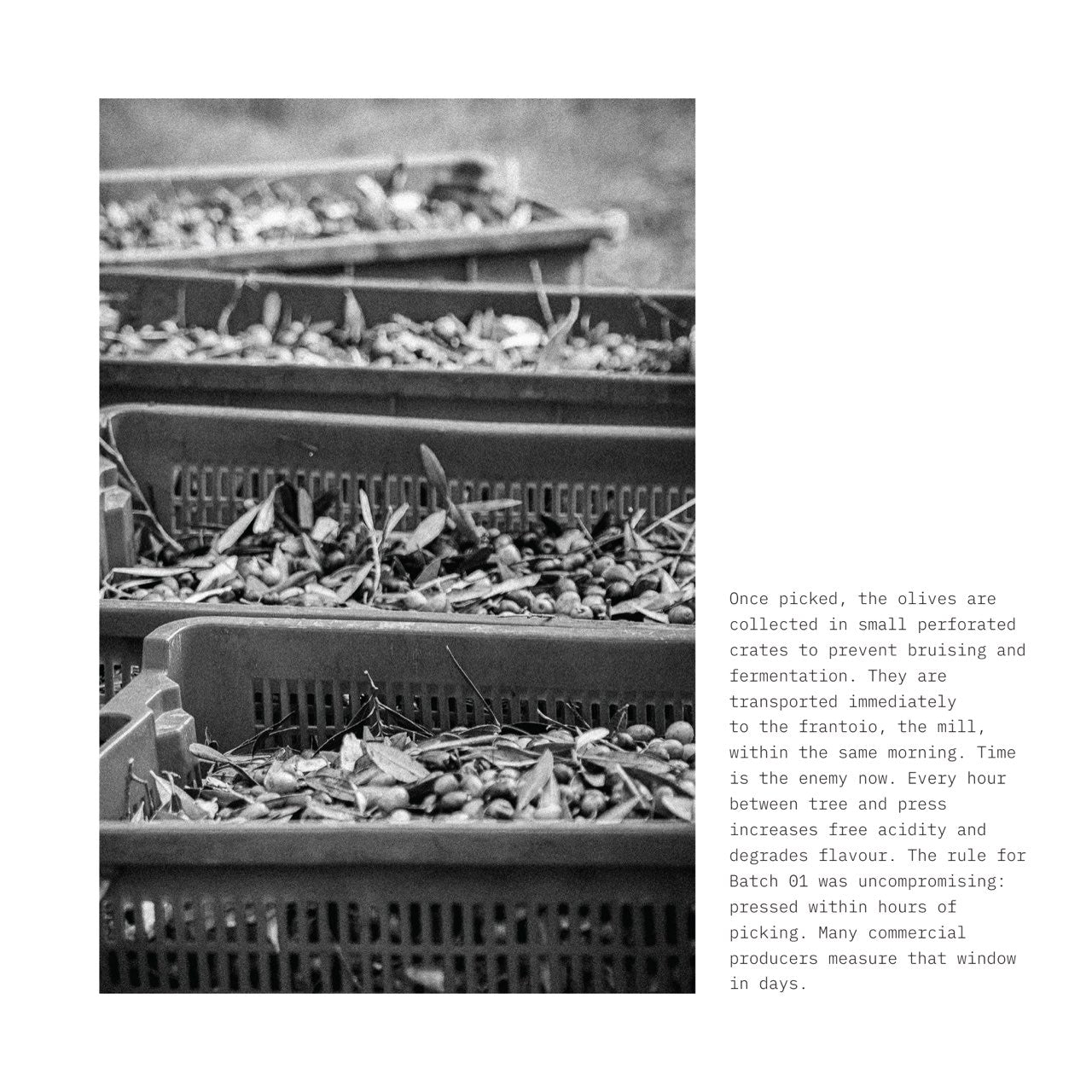
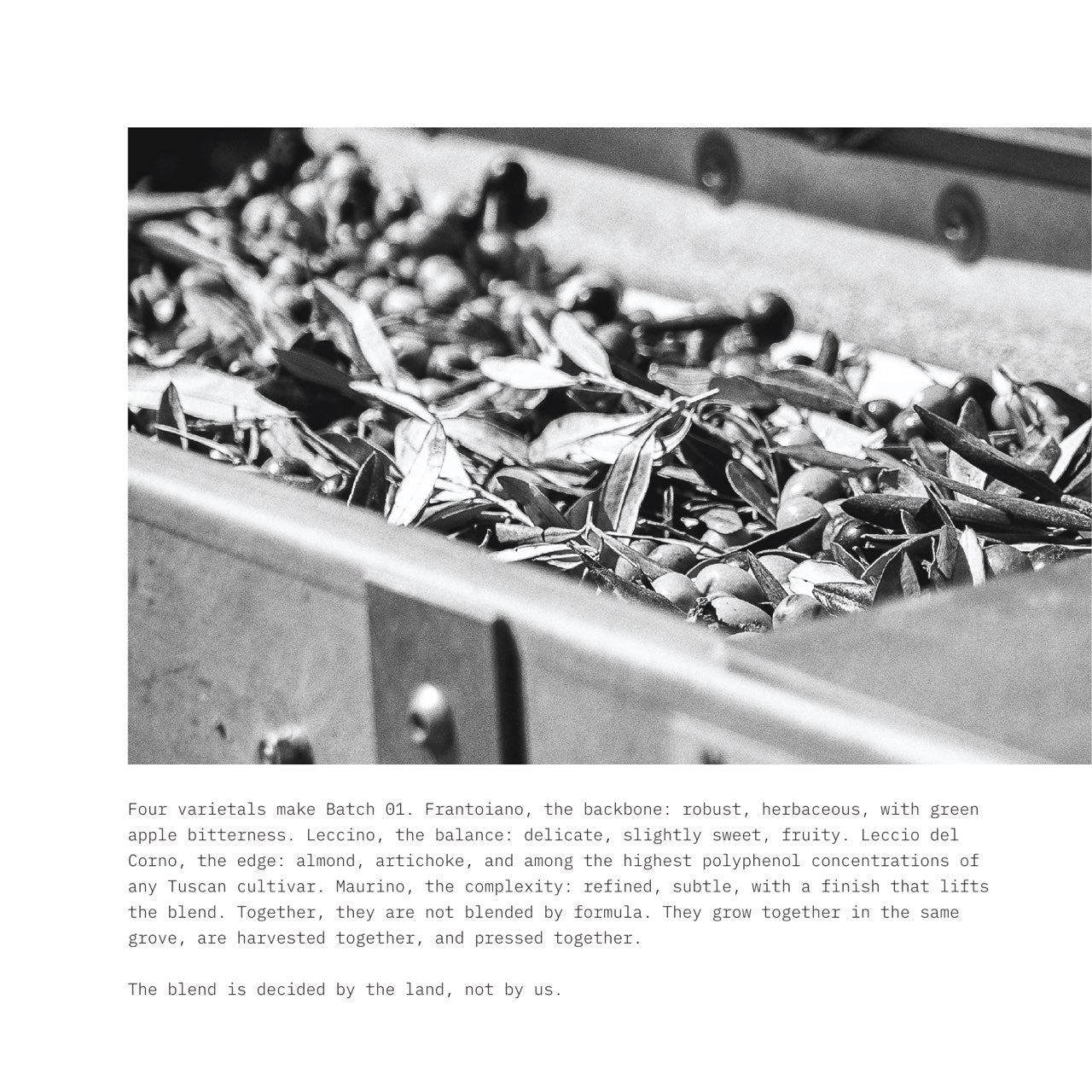
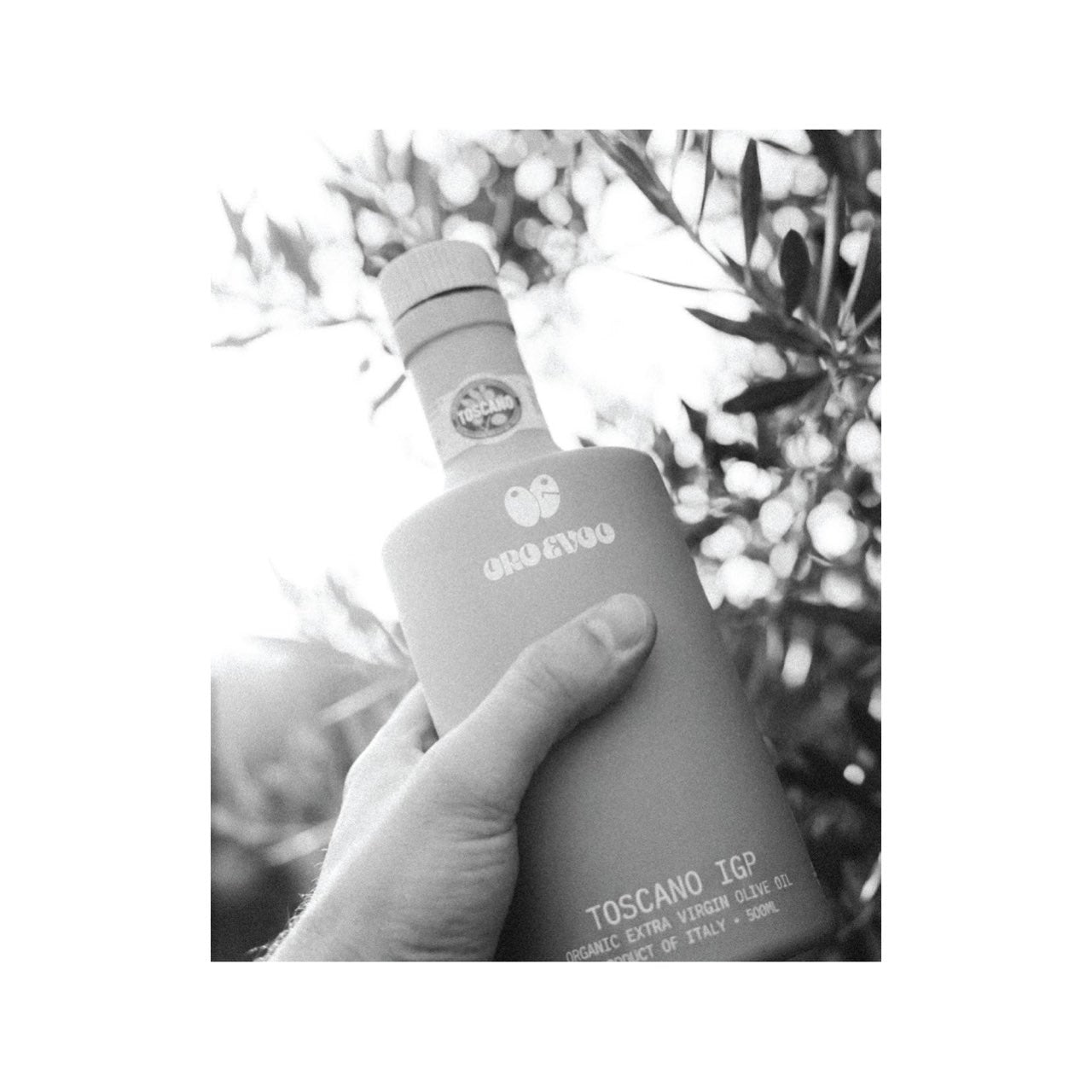
The olives were picked by hand, taken down to the mill, and extracted within hours of leaving the tree, in the Maremma, by a family in its fourth generation. Fast from the tree, slow in every other way.
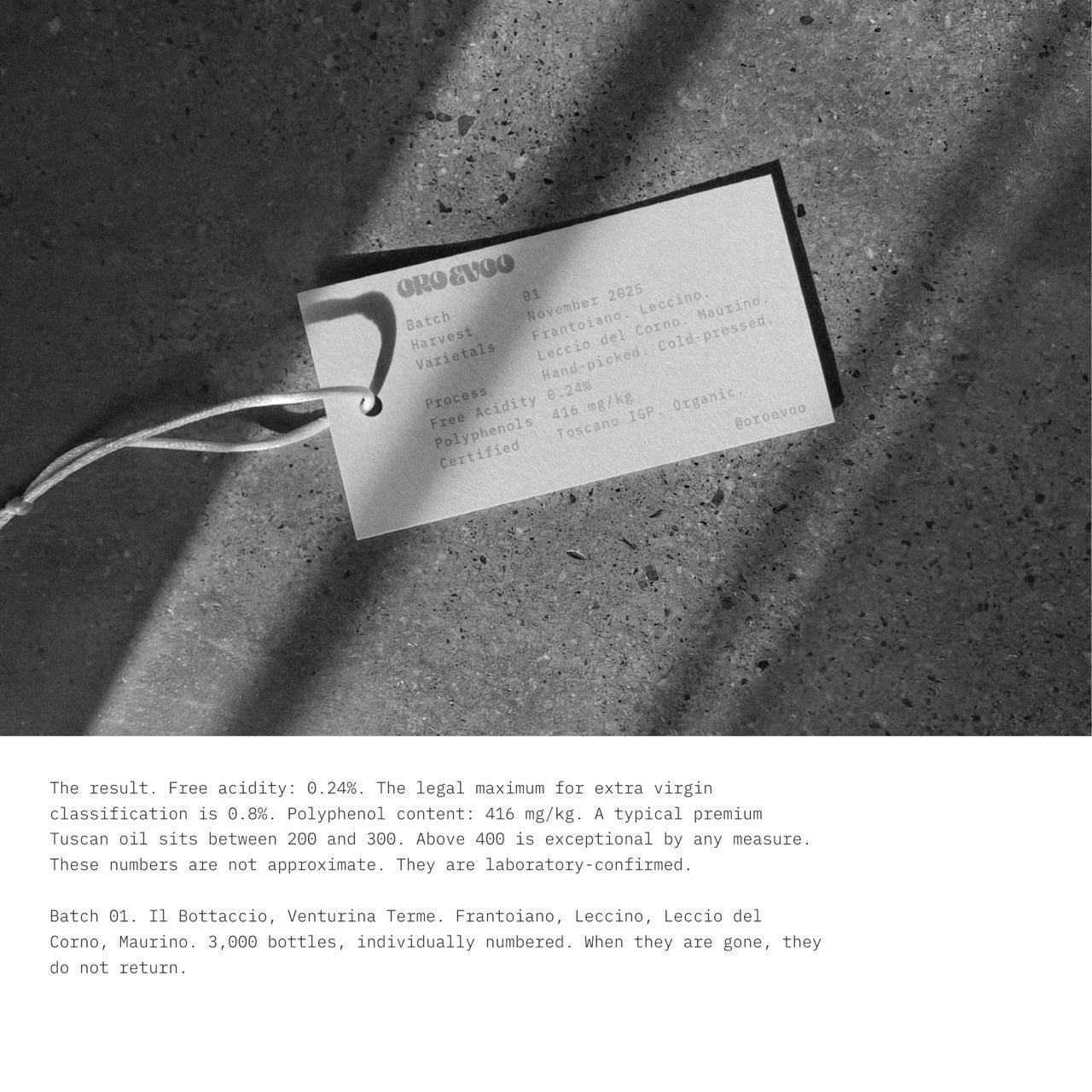
Then the part you can check. Free acidity of 0.24 per cent, against a ceiling of 0.8 for anything calling itself extra virgin. Free acidity is largely a record of what happened between the tree and the mill, so a number that low is not a flourish, it is a timeline. And 416 milligrams per kilo of total biophenols, against a floor of 200 for Toscano IGP. One of those numbers is a record of the care taken. The other you can taste, as the pepper at the back of the throat, when you take it properly.
We would rather hand you the number than the adjective.
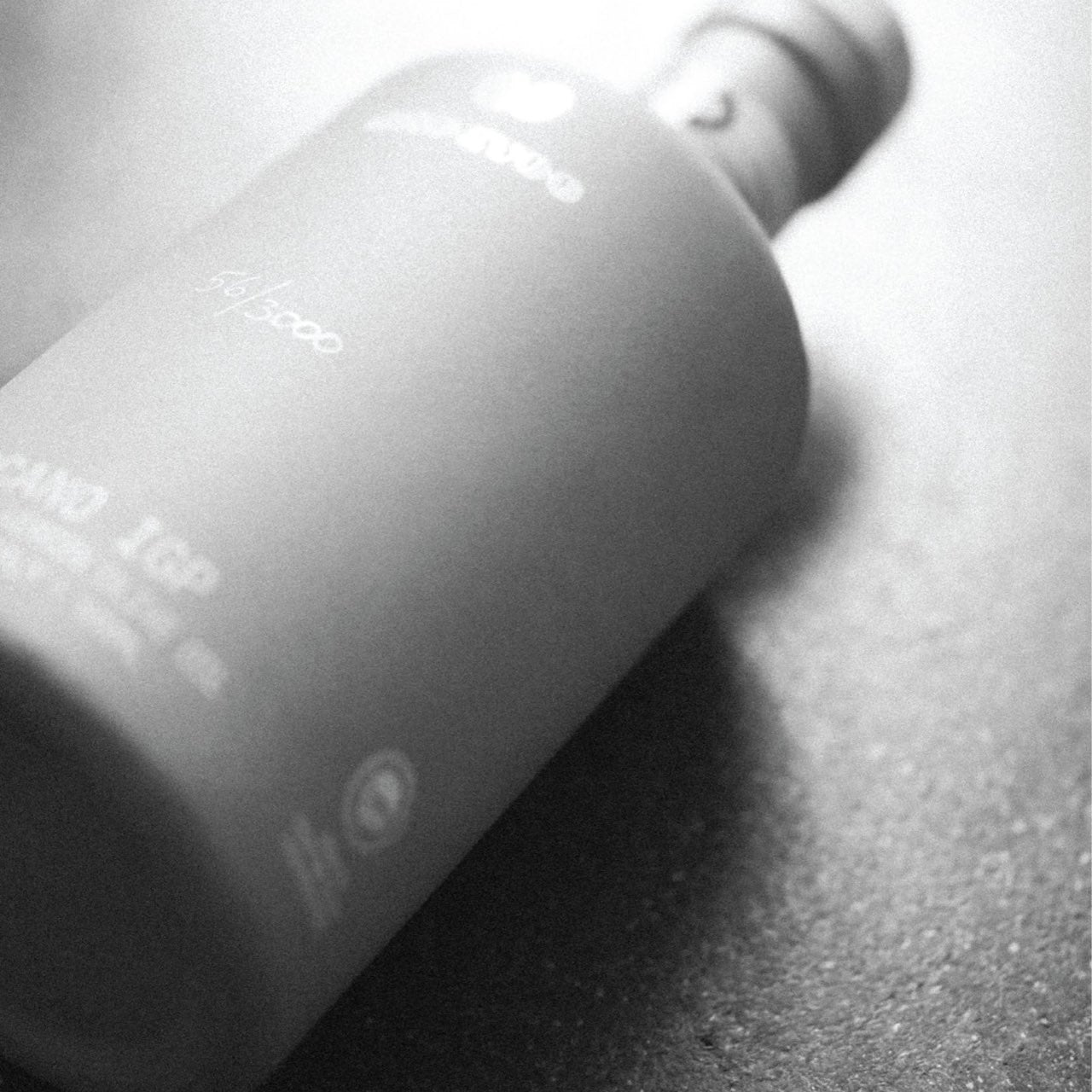
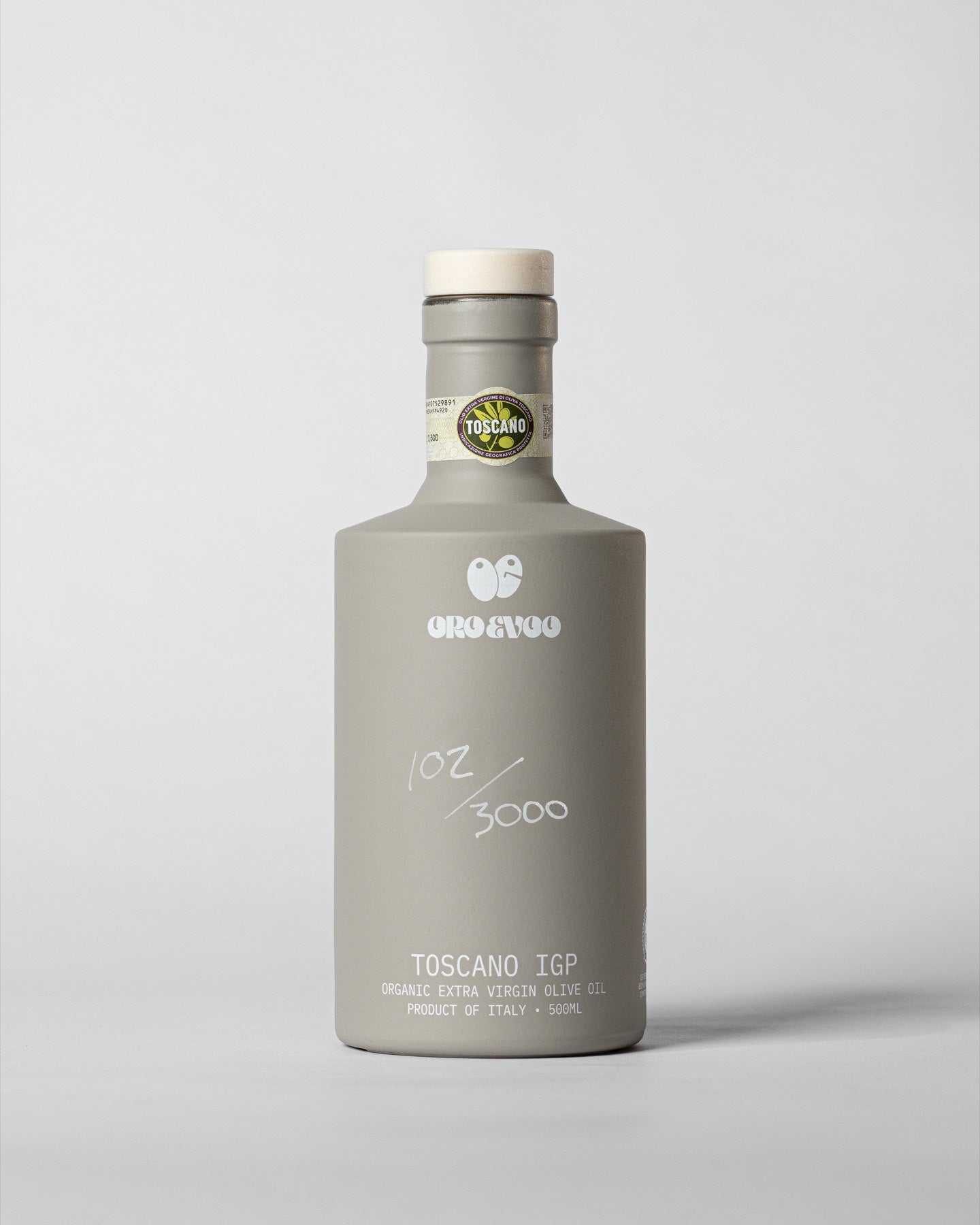
Next letter: why every bottle carries a hand-written number, and what yours means.
George
ORO · Batch 01 · oroevoo.com